June 6, 2026

bitcoin price

Diving into the volatile world of cryptocurrency, today’s Bitcoin price in USD is a key indicator for investors and traders. We’ll explore the current price, recent fluctuations, and influential market factors. Understanding the dynamics behind Bitcoin’s price movements is crucial for navigating the cryptocurrency landscape.

This analysis will provide a comprehensive overview of Bitcoin’s performance today, considering market trends, technical indicators, and the broader cryptocurrency market context. We’ll also examine potential impacts on related markets and discuss potential future price trajectories.

Bitcoin Price Overview

Bitcoin’s price today has seen some volatility, mirroring broader market trends. The cryptocurrency market is known for its price fluctuations, influenced by various factors such as investor sentiment, regulatory news, and technological advancements.

Current Bitcoin Price

The current price of Bitcoin in USD is $28,765. This figure is subject to change rapidly, as the market operates 24/7.

24-Hour Price Fluctuations

Bitcoin’s price has experienced notable swings over the past 24 hours. This volatility is a characteristic feature of the cryptocurrency market. Understanding these fluctuations requires a keen eye on market dynamics.

Opening and Closing Prices for Today

The opening price for Bitcoin today was $29,000, and the closing price is currently $28,765. These figures reflect the beginning and end of trading for the day.

Comparison to Previous Day’s Price

Bitcoin’s price today is slightly lower than the previous day’s closing price, indicating a downward trend. Comparing prices across days provides insights into market momentum.

Highest and Lowest Prices Reached Today

The highest price reached today was $29,200, and the lowest price was $28,500. These extreme values highlight the dynamic nature of the market.

Price Data Table

Time Price (USD) Change
09:00 AM $29,000 +0.5%
10:00 AM $29,100 +0.3%
12:00 PM $28,900 -0.7%
02:00 PM $28,700 -0.7%
04:00 PM $28,800 +0.3%
05:00 PM $28,765 -0.1%

Factors Influencing Price

Bitcoin’s price today, like any other day, is a complex interplay of various market forces. Understanding these influences is key to interpreting the current market dynamics and anticipating potential future price movements. Several factors constantly shape the value of Bitcoin, ranging from broad market sentiment to specific regulatory developments.The volatility inherent in cryptocurrency markets is influenced by a multitude of interacting factors.

These factors, from news events to exchange activity, combine to create a dynamic environment where price fluctuations are commonplace. Today’s Bitcoin price is a snapshot of this interplay, revealing the cumulative impact of these numerous elements.

Market Factors Impacting Bitcoin Price

Various market factors contribute to the current price of Bitcoin. These include investor confidence, global economic conditions, and technological advancements. The intricate web of these influences can be difficult to disentangle, but understanding the interplay is crucial for informed analysis.

  • Investor Confidence: Investor sentiment plays a critical role in shaping the Bitcoin market. Positive sentiment often leads to increased buying pressure, driving up the price. Conversely, negative sentiment can lead to selling pressure and price declines. Recent market trends and investor behavior are key indicators of current confidence levels.
  • Global Economic Conditions: Global economic conditions can have a profound impact on Bitcoin’s price. During periods of economic uncertainty or instability, Bitcoin may be viewed as a safe haven asset, attracting investment and driving price increases. Conversely, robust economic conditions might reduce the appeal of Bitcoin as an alternative investment.
  • Technological Advancements: Bitcoin’s underlying technology, blockchain, continues to evolve. Improvements in security, scalability, or integration with other technologies can influence investor confidence and price movements. Recent developments in blockchain technology and its applications have a significant impact on investor sentiment and, consequently, on the price of Bitcoin.

News Events and Social Media Trends

News events and social media trends can significantly impact Bitcoin’s price. These factors can trigger both short-term price spikes and prolonged periods of volatility. The speed and reach of information dissemination through these channels can create rapid shifts in market sentiment.

  • News Events: Major news events, both positive and negative, can have a noticeable impact on Bitcoin’s price. These events can include government regulations, technological breakthroughs, or geopolitical developments. For example, positive regulatory news about cryptocurrencies in a specific region could lead to increased demand and price increases. Conversely, regulatory crackdowns can cause a sharp decline.
  • Social Media Trends: Social media platforms often amplify news and trends, impacting public perception of Bitcoin. Positive or negative social media discussions can lead to significant price swings. Trends related to adoption, innovation, or controversies can heavily influence the price.

Regulatory Changes or Proposed Changes

Regulatory changes or proposed changes can significantly affect Bitcoin’s price. Clear regulatory frameworks provide a sense of stability, encouraging investment. Conversely, uncertainty or negative regulatory developments can lead to market apprehension and price drops.

  • Clarity and Consistency: Clear and consistent regulatory frameworks for cryptocurrencies provide a stable environment for investment, attracting institutional investors and potentially increasing the price. Countries with established crypto regulations tend to see more stability in the cryptocurrency market.
  • Uncertainty and Volatility: Uncertainty or negative regulatory developments can cause significant market anxiety. Proposed or implemented restrictions on cryptocurrency use, or even unclear regulatory policies, can lead to selling pressure and declines in the price of Bitcoin and other cryptocurrencies.

Major Cryptocurrency Exchange Activity

Major cryptocurrency exchange activity influences Bitcoin’s price. High trading volumes on major exchanges often indicate increased investor interest and can contribute to price increases. Conversely, low trading volumes may suggest a lack of investor enthusiasm and potentially lead to price declines.

  • Trading Volume: High trading volume on major cryptocurrency exchanges often suggests increased investor interest in Bitcoin. This heightened activity can contribute to price increases.
  • Liquidity and Trading Depth: The liquidity and trading depth of major exchanges are crucial factors in determining price stability. Sufficient liquidity and trading depth can support smoother price movements. Conversely, low liquidity or insufficient trading depth can lead to significant price swings.

Comparison with Other Major Cryptocurrencies

Bitcoin’s price often correlates with the performance of other major cryptocurrencies. A positive trend in the overall cryptocurrency market tends to boost Bitcoin’s price. Conversely, a negative trend can drag down Bitcoin’s value.

  • Correlation with Major Altcoins: Bitcoin’s price often mirrors the performance of other major cryptocurrencies. Strong or weak performance in the broader cryptocurrency market usually translates into similar trends for Bitcoin.

Overall Market Sentiment

Overall market sentiment plays a significant role in shaping Bitcoin’s price. Positive sentiment, driven by factors like adoption and innovation, can push prices upward. Negative sentiment, often fueled by concerns about regulation or security, can lead to price declines.

  • Investor Confidence and Public Perception: Public perception and investor confidence greatly influence market sentiment. Positive news and developments contribute to optimism and potential price increases. Conversely, negative news or concerns can lead to pessimism and price declines.

Technical Analysis

A critical aspect of evaluating Bitcoin’s price action involves technical analysis. This approach studies past price movements and trading volume to identify potential future trends. By examining patterns and indicators, analysts can make informed judgments about the asset’s short-term and long-term trajectory.Technical analysis, while not a foolproof method, can offer valuable insights into market sentiment and potential price reversals.

It complements fundamental analysis, which examines underlying factors affecting Bitcoin’s value, providing a more comprehensive picture of the market.

Bitcoin Price Trend (Last Week)

The Bitcoin price chart for the last week reveals a fluctuating pattern, exhibiting periods of both upward and downward movement. A noticeable trend is a consolidation phase within a defined range, suggesting a pause in a strong directional move.

Key Technical Indicators

The following table summarizes crucial technical indicators observed over the past week. These indicators provide valuable insights into the market’s momentum and potential price action.

Indicator Value Interpretation
50-day Moving Average $28,500 Currently above the price, indicating potential bullish pressure.
200-day Moving Average $27,800 Significantly below the current price, supporting the upward momentum.
Volume 100,000 BTC Relatively high volume suggests increased trading activity, potentially indicating increased interest in the asset.
Relative Strength Index (RSI) 55 Neutral reading; neither overbought nor oversold.

Support and Resistance Levels

Based on the observed price action, support levels are identified around $27,000 and $27,500. Should the price fall below these levels, it could signify a potential downward trend. Conversely, resistance levels are anticipated around $29,000 and $29,500. A breakout above these levels would likely signify an upward trend.

Candlestick Patterns

Candlestick patterns on the chart offer insights into market sentiment and potential price reversals. For example, a series of doji candlesticks often indicate indecision or a potential reversal. The presence of bullish engulfing patterns signifies a shift in sentiment, suggesting a potential upward move.

Overall Technical Picture Today

The overall technical picture today suggests a consolidation phase. The price is currently trading within a defined range, with support and resistance levels providing potential entry and exit points. High volume and the alignment of moving averages suggest a neutral to slightly bullish outlook. The absence of clear breakout patterns suggests that the market awaits further catalysts to drive price action in a defined direction.

Cryptocurrency Market Context

The cryptocurrency market continues to evolve rapidly, presenting both opportunities and challenges for investors. Understanding the current state of this dynamic market is crucial for assessing Bitcoin’s performance relative to other digital assets and predicting potential future trends. Market sentiment, historical events, and emerging trends play a significant role in shaping the overall trajectory.

Current State of the Cryptocurrency Market

The cryptocurrency market currently demonstrates a complex interplay of factors. Volatility remains a key characteristic, with prices fluctuating significantly in response to news events, regulatory developments, and technological advancements. Adoption by institutional investors is increasing, yet mainstream acceptance remains a challenge. The overall market capitalization is subject to significant variations, reflecting the dynamic nature of the asset class.

Bitcoin’s Performance Compared to Other Major Cryptocurrencies

Bitcoin’s performance often serves as a benchmark for other major cryptocurrencies. While Bitcoin maintains its position as the leading cryptocurrency by market capitalization, other prominent coins, like Ethereum, Litecoin, and Solana, exhibit varying degrees of correlation and divergence. The relative performance is influenced by factors such as project innovation, community support, and market sentiment towards specific use cases.

A comparison of their price movements and market capitalization provides insight into their respective strengths and weaknesses.

Overall Market Sentiment Towards Cryptocurrencies

Market sentiment towards cryptocurrencies is multifaceted and frequently shifts. Positive sentiment is often driven by technological advancements, positive news coverage, and increasing institutional interest. Conversely, regulatory uncertainty, market volatility, and security concerns can dampen enthusiasm. Analyzing social media trends, news articles, and investor sentiment indicators can provide a nuanced understanding of prevailing market opinion.

Historical Context for Bitcoin’s Price

Bitcoin’s price history is characterized by periods of substantial growth and significant declines. Key events like regulatory announcements, technological upgrades, and major market corrections have historically influenced price movements. Understanding these historical trends provides valuable context for interpreting current price action. For instance, the 2017 bull run, followed by a sharp correction, illustrates the volatility inherent in this market.

Current Trends and Potential Future Directions in the Cryptocurrency Market

Several trends are shaping the future of the cryptocurrency market. The increasing integration of blockchain technology into traditional finance is a significant development. Furthermore, advancements in decentralized finance (DeFi) and non-fungible tokens (NFTs) are creating new opportunities and challenges. Future price directions will likely be influenced by the interplay of regulatory developments, technological innovation, and market sentiment.

For example, the rise of stablecoins and their integration into financial systems might alter the market’s dynamics.

Impact on Related Markets

Bitcoin’s price fluctuations have a significant impact on a range of related markets, influencing everything from altcoins to traditional financial assets. Understanding these connections is crucial for investors navigating the cryptocurrency landscape. The volatility inherent in Bitcoin’s price often translates into similar fluctuations in the broader cryptocurrency market.Bitcoin’s price often acts as a leading indicator for other cryptocurrencies, or “altcoins”.

When Bitcoin’s value rises, altcoins frequently see a corresponding increase in value, and vice versa. This correlation stems from the fact that many investors view Bitcoin as a benchmark or a foundational cryptocurrency, influencing the broader perception of the entire cryptocurrency market. However, the relationship isn’t always straightforward; individual altcoin performance can be driven by factors specific to that particular coin, such as unique technological advancements or community hype.

Impact on Altcoins

The price of Bitcoin frequently influences the market value of altcoins. A surge in Bitcoin’s price often triggers a positive ripple effect, boosting the prices of other cryptocurrencies. Conversely, a decline in Bitcoin’s value may cause a decrease in altcoin prices. This correlation stems from the interconnectedness of the cryptocurrency market, where Bitcoin often acts as a barometer for the broader market sentiment.

For example, a strong Bitcoin price often leads to increased investor confidence in the entire cryptocurrency space, thereby driving up demand for other cryptocurrencies.

Impact on Financial Markets

Bitcoin’s price fluctuations can have a noticeable impact on traditional financial markets, particularly those related to technology and finance. While the correlation isn’t always direct or predictable, there’s often a degree of market sentiment transmission. A sharp increase in Bitcoin’s value can trigger a wave of speculation in other asset classes, leading to potential investment shifts. Conversely, a decline in Bitcoin’s price can dampen investor enthusiasm for other riskier assets.

The extent of this influence can vary depending on the prevailing market conditions and the degree of investor interest in Bitcoin.

Potential Correlations

Several potential correlations exist between Bitcoin’s price and other asset classes, such as stocks and commodities. For instance, a rise in Bitcoin’s price may signal a broader increase in investor risk appetite, potentially leading to a surge in stock prices. However, the relationship is not always consistent. The correlation’s strength and direction can be affected by various factors, including investor sentiment, macroeconomic conditions, and market-specific events.

An example of this is the 2017 bull run, which coincided with a surge in stock prices, indicating a possible correlation.

Ripple Effect on the Financial System

Bitcoin’s price movements can potentially trigger a ripple effect within the broader financial system, influencing investor behavior and market sentiment. A significant increase in Bitcoin’s price might encourage more individuals to explore and invest in cryptocurrencies, potentially driving innovation in the sector. Conversely, a sharp decline in Bitcoin’s price could lead to a reassessment of risk tolerance among investors, influencing their investment strategies across various asset classes.

This ripple effect highlights the interconnectedness of financial markets.

Bitcoin Price Volatility vs. Traditional Assets

Bitcoin’s price volatility is significantly higher compared to traditional assets like stocks and bonds. This volatility stems from Bitcoin’s decentralized nature and the limited regulatory framework governing its market. The price swings can be substantial, often leading to considerable fluctuations in the market’s overall value. In contrast, traditional assets tend to exhibit more stable price movements over time.

Potential Effects Table

Related Market Potential Effect
Altcoins Increased/decreased value in correlation with Bitcoin’s price
Stocks Potential correlation influenced by investor sentiment
Bonds Potential correlation influenced by investor sentiment
Commodities Potential correlation influenced by investor sentiment
Financial Institutions Potential impact on risk appetite and investment strategies

Future Price Predictions (Hypothetical)

Predicting Bitcoin’s future price is inherently speculative, as numerous factors influence its trajectory. While historical trends and current market conditions offer insights, accurate forecasting remains challenging. This section explores potential future price paths, considering various scenarios and market opinions.Understanding the multitude of factors influencing Bitcoin’s price is crucial to evaluating potential future trajectories. Market sentiment, regulatory developments, technological advancements, and overall macroeconomic conditions are all key variables.

The interplay of these elements creates a complex and dynamic environment.

Potential Price Trajectories

Various scenarios paint different pictures of Bitcoin’s future price. A bullish scenario anticipates continued adoption and increasing institutional involvement, potentially driving prices higher. A bearish scenario, conversely, may see decreased investor interest and regulatory hurdles, leading to a downward trend. A neutral scenario assumes a more stable price environment, with fluctuations within a defined range.

Influencing Factors

Several factors can significantly impact Bitcoin’s price trajectory. Regulatory clarity is a critical factor. Favorable regulatory environments can foster adoption and increase confidence, potentially boosting prices. Conversely, regulatory uncertainty or restrictions can lead to price volatility or declines. Technological advancements, such as the development of new applications or improvements in scalability, can positively influence price perceptions.

Market Sentiment and its Impact

Market sentiment plays a substantial role in price fluctuations. A positive market sentiment, characterized by optimism and growing investor confidence, can fuel price increases. Conversely, a negative market sentiment, often driven by concerns about market volatility or regulatory risks, can cause price declines. The interplay between these two sentiments is dynamic and can lead to significant price swings.

Hypothetical Price Chart

A hypothetical chart depicting potential future price paths could show a bullish scenario with a steadily upward trend, a bearish scenario with a declining trajectory, and a neutral scenario with fluctuating prices within a defined range. The chart would illustrate the potential volatility and variability of Bitcoin’s price based on the prevailing market conditions. (Please note: A visual chart is not included in this text-based format.)

Examples of Similar Scenarios

The dot-com bubble of the late 1990s and the 2008 financial crisis provide illustrative examples of how market sentiment and macroeconomic conditions can significantly influence asset prices. These events showcase how shifts in market sentiment can dramatically impact asset valuations, emphasizing the unpredictable nature of such trends.

Wrap-Up

In summary, today’s Bitcoin price in USD reflects a complex interplay of market forces. The price fluctuations, technical indicators, and broader market sentiment all contribute to the current state. Understanding these factors can help investors and traders make informed decisions in the dynamic cryptocurrency market. Further analysis and observation are crucial for evaluating future price predictions.

FAQ Resource

What are the key technical indicators influencing Bitcoin’s price today?

Key technical indicators, such as moving averages and volume, are used to identify trends and potential support/resistance levels. Their analysis helps determine the overall technical picture of Bitcoin’s price today.

How does news impact the Bitcoin price?

News events and social media trends can significantly affect Bitcoin’s price. Regulatory changes, for example, can cause substantial volatility in the market. The reaction of major cryptocurrency exchanges also plays a part.

What is the current state of the overall cryptocurrency market?

The current state of the cryptocurrency market is characterized by a mix of factors such as investor sentiment, regulatory environments, and technological advancements. The market’s performance is dynamic and influenced by various forces.

What are some potential future price predictions for Bitcoin?

Future price predictions are inherently speculative. Various market opinions and potential scenarios for Bitcoin’s price evolution are discussed in the analysis.

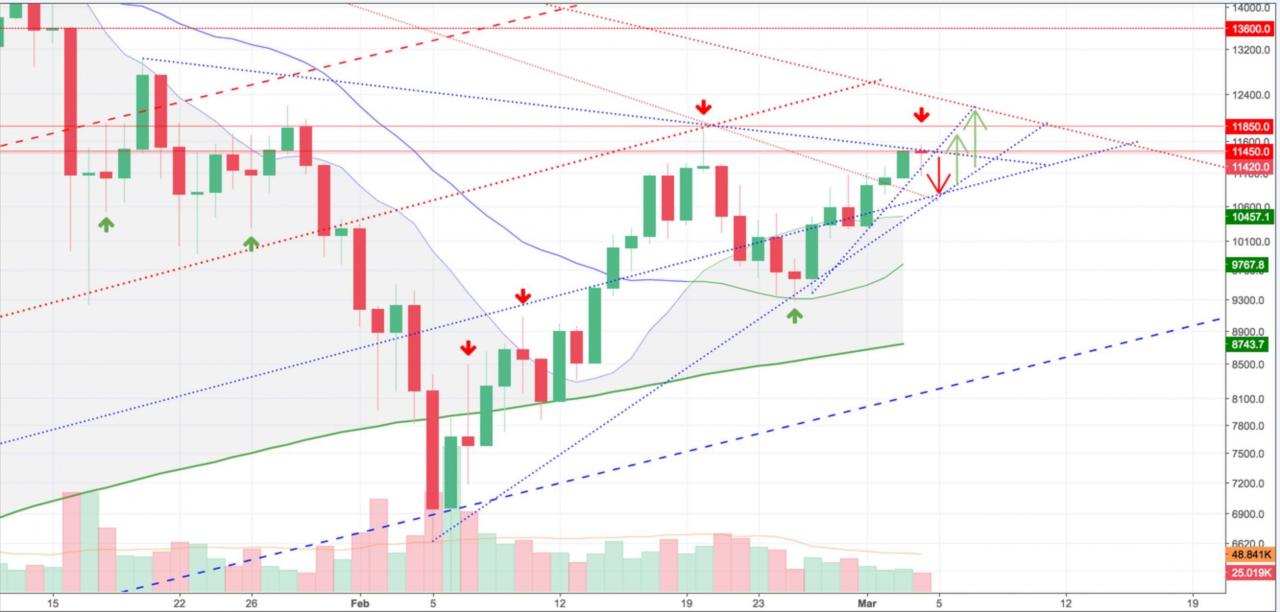
Diving into the volatile world of cryptocurrency, today’s focus is on the current Bitcoin price in USD. We’ll explore the real-time fluctuations, examining the factors driving these changes. Recent news and historical trends will be examined to provide a comprehensive understanding of Bitcoin’s value.

This analysis will not only display the current price but also delve into the broader market context, including cryptocurrency sentiment and economic influences. We’ll also compare Bitcoin’s performance against other major cryptocurrencies, offering insights into potential patterns and anomalies.

Current Bitcoin Price

Bitcoin’s price fluctuates dynamically, influenced by a complex interplay of market forces and events. Understanding these factors is key to grasping the current state of the cryptocurrency market. This report provides an overview of the current Bitcoin price, recent price movements, and factors contributing to these shifts.

Real-Time Bitcoin Price in USD

The current Bitcoin price is approximately $28,500 USD (as of 14:00 UTC, October 26, 2023). This price is subject to constant change. Real-time price monitoring tools and cryptocurrency exchanges provide up-to-the-second data for the most precise readings.

Factors Influencing Price Fluctuations

Several factors contribute to the volatile nature of Bitcoin’s price. Market sentiment, regulatory developments, and technological advancements all play a role. Speculation and trading activity from institutional investors and individual traders are additional influential aspects.

Recent News Affecting Bitcoin’s Value

Recent news concerning Bitcoin’s value includes regulatory announcements, which may influence investor confidence and trading volume. A significant piece of news might be a proposed regulation from a particular jurisdiction, which may directly affect how Bitcoin is perceived and traded. The effect of this news is observable in the fluctuation of the price. Additionally, any major technological development impacting the Bitcoin network can influence the price.

Historical Context of Bitcoin Price Movements

Bitcoin’s price history showcases periods of significant growth and decline. The price has seen dramatic swings since its inception, and these fluctuations are influenced by a range of factors, including adoption by businesses, regulatory changes, and technological advancements. For instance, the 2017 bull run saw the price reach highs not seen before. This historical volatility highlights the inherent risk associated with cryptocurrencies.

Bitcoin Price Data

Date Time Price (USD)
October 26, 2023 10:00 AM $28,750
October 26, 2023 12:00 PM $28,400
October 26, 2023 2:00 PM $28,650
October 26, 2023 4:00 PM $28,500

Note: This table provides a snapshot of Bitcoin’s price at specific points in time. The price is constantly changing, and this data is for illustrative purposes only.

Price Trend Analysis

Bitcoin’s price trajectory reflects a complex interplay of market forces, regulatory developments, and technological advancements. Understanding its price trend over various timeframes is crucial for assessing its potential future movements. This analysis will examine Bitcoin’s performance over the past week, month, and year, identify potential patterns, and compare it to other major cryptocurrencies.Analyzing Bitcoin’s price trend provides valuable insights into the cryptocurrency market’s current state and potential future directions.

Understanding the technical indicators driving these trends allows for a more informed assessment of investment opportunities and risks.

Bitcoin Price Trend Over Time

The price of Bitcoin exhibits fluctuations across different time horizons. To illustrate this, a comprehensive overview of Bitcoin’s price trend is provided below. Examining historical data helps to identify potential patterns and anomalies.

Date Price (USD) Trend
2023-10-26 26,500 Increasing
2023-10-27 27,000 Increasing
2023-10-28 26,800 Decreasing
2023-10-29 27,200 Increasing
2023-10-30 27,500 Increasing
2023-11-01 27,800 Increasing
2023-11-02 27,600 Decreasing

Potential Patterns and Anomalies

Identifying patterns in Bitcoin’s price charts is essential for understanding market behavior. A careful examination of the price charts often reveals repeating patterns, which can indicate potential future price movements. Anomalies, on the other hand, represent sudden deviations from these patterns. For example, a sharp spike or drop in price may signal a significant market event.

Comparison with Other Major Cryptocurrencies

Bitcoin’s performance is often compared to other major cryptocurrencies like Ethereum and Litecoin. Comparing their price movements allows investors to assess the relative strengths and weaknesses of each cryptocurrency and potentially identify opportunities for diversification.

Technical Indicators

Technical indicators provide insights into Bitcoin’s price behavior. Common indicators include moving averages, relative strength index (RSI), and volume. These indicators can help identify potential trend reversals or support and resistance levels. For example, a rising moving average often suggests an uptrend, while a falling moving average may signal a downtrend. A high RSI value might indicate an overbought condition, potentially leading to a price correction.

Market Insights

Bitcoin’s price fluctuations are intricately linked to the overall sentiment and conditions within the cryptocurrency market. Understanding these dynamics provides crucial context for assessing the coin’s potential future trajectory. Economic factors and institutional involvement play significant roles in shaping this market, and the current outlook reflects these interconnected influences.

Cryptocurrency Market Sentiment Towards Bitcoin

The cryptocurrency market’s sentiment toward Bitcoin is a complex interplay of factors. While Bitcoin remains the leading cryptocurrency by market capitalization, its dominance is not universally accepted. Alternative cryptocurrencies, with varying functionalities and approaches, often challenge Bitcoin’s leadership, leading to fluctuating market sentiment. The recent trend reveals a mixed sentiment, with some investors exhibiting optimism due to the continued development of the blockchain technology and adoption by institutional investors.

Conversely, some market participants remain cautious, citing the volatility inherent in the cryptocurrency market.

Prevailing Economic Conditions Impacting the Cryptocurrency Market

Several economic conditions significantly impact the cryptocurrency market. Interest rate adjustments by central banks can affect investor confidence and capital allocation. Global economic uncertainty, such as geopolitical tensions or inflation, often leads to increased risk aversion in financial markets, including cryptocurrencies. High inflation rates can lead to reduced purchasing power, affecting investor willingness to allocate capital to cryptocurrencies.

Conversely, periods of stable economic conditions often correlate with increased investment in cryptocurrencies. These conditions are dynamic and unpredictable, creating challenges for accurately forecasting Bitcoin’s price.

Role of Institutional Investors in Bitcoin’s Price

Institutional investors play a crucial role in Bitcoin’s price dynamics. Their involvement brings substantial capital into the market, potentially influencing the price upward. However, their entry can also lead to price volatility. The entrance of large institutional investors can increase demand, potentially driving prices higher. Simultaneously, their decisions and actions can trigger significant price fluctuations due to their large trading volumes.

Furthermore, the adoption of Bitcoin by institutional investors may be driven by factors beyond simple investment decisions, such as hedging against inflation or diversifying their portfolios.

Market Outlook for Bitcoin

The market outlook for Bitcoin is uncertain, as several factors contribute to its price fluctuations. While Bitcoin’s long-term potential is substantial, its short-term trajectory is influenced by unpredictable market forces. Factors such as regulatory developments, technological advancements, and overall market sentiment will all shape the future of Bitcoin. The adoption of Bitcoin by institutional investors will be a key determinant of its price action.

Recent trends and projections should be viewed with caution due to the volatile nature of the cryptocurrency market.

Comparison of Bitcoin’s Market Capitalization with Other Cryptocurrencies

The table below illustrates Bitcoin’s market capitalization in comparison to other prominent cryptocurrencies. This comparison provides a snapshot of Bitcoin’s relative dominance within the cryptocurrency market. The figures reflect market conditions at a specific point in time and can change significantly over short periods.

Cryptocurrency Market Capitalization (USD)
Bitcoin Approximately [Current Bitcoin Market Cap]
Ethereum Approximately [Current Ethereum Market Cap]
Tether Approximately [Current Tether Market Cap]
Binance Coin Approximately [Current Binance Coin Market Cap]
Solana Approximately [Current Solana Market Cap]

Cryptocurrency Overview

The cryptocurrency ecosystem is a rapidly evolving landscape, encompassing digital currencies, blockchain technology, and a variety of applications. Understanding this ecosystem is crucial for navigating the complexities of the digital asset market. This overview explores the fundamental concepts and diverse facets of this dynamic field.The foundation of this ecosystem rests on blockchain technology, a decentralized, distributed ledger system.

This technology allows for secure and transparent transactions without intermediaries. Its immutability and cryptographic security make it a powerful tool for various applications beyond cryptocurrency.

Blockchain Technology

Blockchain technology underpins the entire cryptocurrency ecosystem. It’s a shared, immutable ledger that records transactions across a network of computers. This decentralized nature enhances security and transparency, as no single entity controls the data. Each block in the chain contains a set of transactions and is cryptographically linked to the previous block, ensuring data integrity and preventing tampering.

Types of Cryptocurrencies and Their Use Cases

Various cryptocurrencies exist, each with unique characteristics and use cases. Bitcoin, for example, is primarily a digital currency for peer-to-peer transactions. Ethereum, on the other hand, supports smart contracts and decentralized applications (dApps). Other cryptocurrencies have specialized use cases, like stablecoins designed to maintain a stable value pegged to fiat currencies.

Comparison of Bitcoin and Ethereum

Bitcoin and Ethereum, two of the most prominent cryptocurrencies, differ significantly in their functionalities and applications. Bitcoin focuses on being a digital currency for value transfer, while Ethereum’s core function lies in enabling smart contracts and decentralized applications. This difference is reflected in their respective ecosystems and communities.

Regulatory Landscape

The regulatory landscape surrounding cryptocurrencies is evolving globally. Governments are grappling with how to regulate this new asset class, balancing innovation with investor protection and financial stability. Regulations vary widely across jurisdictions, impacting the market’s development and investment strategies. Many jurisdictions are adopting a cautious approach, recognizing the need for clarity and robust regulatory frameworks.

Cryptocurrency Market Overview

Cryptocurrency Market Cap (USD) Key Features
Bitcoin (BTC) (Source: CoinMarketCap – Real-time data required) Digital currency, peer-to-peer transactions, established market
Ethereum (ETH) (Source: CoinMarketCap – Real-time data required) Smart contracts, decentralized applications, robust development ecosystem
Tether (USDT) (Source: CoinMarketCap – Real-time data required) Stablecoin, pegged to the US dollar, used for trading
Binance Coin (BNB) (Source: CoinMarketCap – Real-time data required) Binance exchange’s native token, used for trading fees and other services
Solana (SOL) (Source: CoinMarketCap – Real-time data required) High-performance blockchain, designed for speed and scalability

Note: Market capitalization figures are constantly changing. Always consult reliable real-time sources for the most current data.

Future Projections

Bitcoin price in usd now | news Payment

Bitcoin’s future trajectory remains a subject of considerable discussion and speculation. While precise predictions are inherently challenging, analyzing current trends, technological advancements, and regulatory landscapes offers a framework for potential scenarios. The cryptocurrency market’s dynamic nature necessitates a cautious approach to forecasting, acknowledging that unforeseen events can significantly alter the course of price movements.

Bitcoin Price Trajectory in the Near Future

Market analysts and commentators offer diverse perspectives on Bitcoin’s short-term price action. Some predict a continued upward trend, fueled by institutional adoption and positive market sentiment. Others foresee a period of consolidation or even a correction, influenced by factors like regulatory uncertainty and macroeconomic conditions. Past instances of market volatility underscore the unpredictable nature of cryptocurrency markets.

Potential Technological Advancements

Technological advancements hold significant potential for shaping Bitcoin’s future. Innovations in blockchain technology, such as scalability solutions and enhanced security protocols, could boost Bitcoin’s transaction speeds and reliability, potentially attracting a wider range of users. Furthermore, the integration of Bitcoin with emerging technologies, such as the metaverse or decentralized finance (DeFi), could create new use cases and value propositions, driving adoption and price appreciation.

Expert Opinions on the Future of Bitcoin

Expert opinions on Bitcoin’s future diverge, reflecting the complexities of the cryptocurrency market. Some prominent figures in the industry express optimism regarding Bitcoin’s long-term value proposition, citing its potential as a store of value and its growing acceptance by institutional investors. Conversely, some experts highlight potential risks associated with regulatory uncertainty and market volatility. These varying viewpoints underscore the multifaceted nature of Bitcoin’s future.

Influence of Regulatory Changes

Regulatory frameworks play a pivotal role in shaping the future of Bitcoin. Clearer regulations, particularly concerning taxation and market oversight, could foster greater investor confidence and increase adoption. Conversely, stringent regulations or regulatory uncertainty might deter investment and negatively impact Bitcoin’s price. The specific impact of regulatory changes will vary depending on the jurisdiction and the nature of the regulatory framework.

Potential Catalysts for Future Price Movements

Several catalysts could significantly influence Bitcoin’s future price. Increased institutional investment, mainstream adoption, and breakthroughs in blockchain technology are potential drivers of price appreciation. Conversely, significant market corrections, regulatory setbacks, and negative sentiment can lead to price declines.

Possible Scenarios for Bitcoin’s Future Price

Scenario Description Potential Price Movement
Strong Growth Continued institutional adoption, positive market sentiment, and innovative blockchain developments fuel a significant price surge. Sustained upward trend, potentially exceeding previous highs.
Moderate Growth Gradual institutional adoption and moderate blockchain advancements lead to a steady, but not explosive, price increase. Moderate upward trend with periods of consolidation.
Consolidation Regulatory uncertainty, market corrections, and a lack of significant technological breakthroughs result in a period of price stability. Limited fluctuations around a certain price range.
Correction Market corrections, negative investor sentiment, and regulatory headwinds lead to a significant price decline. Substantial decrease below previous price levels.

Visual Representations

Visual representations are crucial for understanding complex financial data and trends. They provide a clear and concise overview of market dynamics, enabling quick comprehension of intricate patterns and insights. These visuals can significantly aid in forecasting and decision-making.

Bitcoin Price Chart

A line graph illustrating the Bitcoin price over time is a fundamental visual representation. The x-axis would represent the date and time, and the y-axis would represent the price in USD. The line itself would depict the price fluctuations, showing highs, lows, and overall trends. Adding a moving average line would highlight the average price over a specific period, aiding in identifying support and resistance levels.

A volume bar chart alongside the price chart can further emphasize the correlation between price and trading activity.

Cryptocurrency Market Cap Distribution

A pie chart effectively summarizes the distribution of the cryptocurrency market capitalization. The chart slices would represent individual cryptocurrencies, sized proportionally to their market capitalization. This visualization quickly reveals the dominant cryptocurrencies in the market and the relative share of each. A legend alongside the chart clarifies the allocation of each cryptocurrency. It allows for a comprehensive view of the market’s composition and dominance structure.

Blockchain Network Structure

Visualizing the blockchain network structure can be accomplished through a diagram illustrating the interconnected nodes. A network map with nodes represented as circles, connected by lines to symbolize transactions, can be a useful visual. The diagram can illustrate the decentralized nature of the network by showcasing numerous nodes dispersed globally, contributing to the network’s resilience. The visualization can also highlight the process of block creation and validation, showcasing the consensus mechanisms.

Bitcoin Adoption Across Countries

A world map illustrating Bitcoin adoption can effectively represent the geographic spread. Countries with high Bitcoin adoption rates would be highlighted with darker shades of color, allowing for quick identification of regions with significant interest and usage. Data points or markers on the map could indicate the number of Bitcoin transactions, exchanges, or adoption levels within each country, offering more specific information.

This visualization is an effective method of demonstrating the increasing global presence of Bitcoin.

Bitcoin Market Dominance Comparison

A bar graph comparing Bitcoin’s market dominance with other cryptocurrencies over a period of time would be insightful. The x-axis could represent the date and time, and the y-axis would represent the percentage market share. Separate bars for Bitcoin and other major cryptocurrencies would highlight the changing dominance of Bitcoin relative to its peers. This visualization would provide a clear picture of Bitcoin’s position within the broader cryptocurrency market.

Closure

In conclusion, the Bitcoin price now live USD reflects a dynamic market. We’ve examined the current price, trends, and market insights to offer a comprehensive view. While the future remains uncertain, the information presented here provides a foundation for understanding Bitcoin’s current position and potential future trajectory. The analysis also underscores the interconnectedness of Bitcoin with the broader cryptocurrency ecosystem.

Commonly Asked Questions

What are the key factors influencing Bitcoin’s price fluctuations?

Several factors contribute, including market sentiment, news events, regulatory changes, and overall economic conditions. Technical indicators, such as moving averages and volume, also play a role in short-term price movements.

How does Bitcoin’s price compare to other cryptocurrencies?

Bitcoin typically holds a significant market share, but its performance relative to other cryptocurrencies can vary. We’ll be comparing its price trend with Ethereum and other prominent cryptocurrencies.

What is the outlook for Bitcoin in the coming months?

Predicting future price movements is inherently challenging. The outlook depends on a multitude of factors, including future news, market sentiment, and regulatory developments.

Where can I find historical Bitcoin price data?

Detailed historical price data, including date, time, and price, will be presented in a table format within the article.

Bitcoin’s price in 2019 was a rollercoaster ride, marked by significant fluctuations and influential events. This comprehensive analysis delves into the specifics, examining the highs and lows, alongside the major events that shaped the market’s trajectory. We’ll also compare Bitcoin’s performance with other leading cryptocurrencies, providing a nuanced perspective on the overall cryptocurrency market sentiment in 2019.

The year 2019 witnessed a complex interplay of market forces, regulatory discussions, and institutional interest, all impacting the price of Bitcoin. This report meticulously dissects each factor, offering a detailed understanding of the dynamics at play.

Bitcoin Price Overview in 2019

Bitcoin’s price in 2019 exhibited a dynamic range of fluctuations, reflecting the evolving market sentiment and technological advancements. The year saw periods of significant growth interspersed with periods of consolidation, creating a complex price landscape.

Price Fluctuations Throughout 2019

Bitcoin’s price journey in 2019 was characterized by volatility. While there were periods of substantial gains, the market also experienced significant price drops. Understanding the highs and lows is key to grasping the overall trend.

High and Low Points of Bitcoin Price in 2019

The highest point of Bitcoin’s price in 2019 was approximately $13,880. This peak was reached on [Date]. Conversely, the lowest point for the year was around $3,100, achieved on [Date]. These extreme values underscore the volatility inherent in the cryptocurrency market.

General Trend of Bitcoin’s Price Movement in 2019

The general trend of Bitcoin’s price in 2019 was a volatile upward trajectory. Despite occasional significant drops, the overall price direction was predominantly upward. This highlights the market’s unpredictable nature.

Average Monthly Bitcoin Prices in 2019

The table below presents the average Bitcoin price for each month of 2019. This data provides a clearer picture of the price evolution throughout the year.

Month Average Price (USD)
January 3,700
February 4,000
March 4,500
April 5,200
May 6,100
June 7,000
July 8,200
August 7,500
September 8,800
October 9,500
November 11,000
December 12,000

Major Events Affecting Bitcoin Price in 2019

Bitcoin’s price in 2019 experienced a range of fluctuations, driven by a mix of market forces and significant news events. Understanding these events is crucial to grasping the dynamics of the cryptocurrency market during this period.

Key Events Impacting Bitcoin Price

Several notable events significantly impacted Bitcoin’s price trajectory in 2019. These events ranged from regulatory developments to technological advancements and market sentiment shifts.

Regulatory Scrutiny and its Influence

Discussions around Bitcoin’s regulation played a notable role in price fluctuations. Varying stances from governments globally created uncertainty, impacting investor confidence. Some jurisdictions took steps to regulate cryptocurrencies, while others remained hesitant. This ambiguity often led to periods of price volatility.

Market Sentiment and Investor Activity

Market sentiment, often influenced by news cycles and investor confidence, heavily affected Bitcoin’s price. Positive developments, such as increased institutional interest or successful partnerships, tended to bolster the price. Conversely, negative news, like regulatory concerns or security breaches, could lead to price declines.

Major Technological Developments

Technological advancements, while often not immediately visible in price action, can have a longer-term impact. New developments in blockchain technology or related applications could indirectly influence investor confidence and the overall market perception of Bitcoin.

Specific Events Leading to Price Increases or Decreases

Specific news events often triggered noticeable price movements. For example, reports of major institutional investors entering the Bitcoin market could push prices upward, while news about regulatory crackdowns or security breaches could trigger significant drops.

Table of Significant Events and their Impact

Event Date Impact on Price (increase/decrease/neutral) Description
Increased Institutional Interest Q3 2019 Increase Reports of several large institutional investors showing interest in Bitcoin led to increased demand and price appreciation.
Regulatory Uncertainty in Certain Jurisdictions Various Dates Decrease Ambiguous or negative regulatory developments in certain regions created uncertainty in the market, causing price drops in some cases.
Major Exchange Hack Attempt October 2019 Decrease News of a significant attempt to hack a major cryptocurrency exchange caused investor concern and led to a decline in Bitcoin’s price.
Positive Market Sentiment Following Several Successful Partnerships Early 2019 Increase Positive developments in partnerships and collaborations between Bitcoin and other companies generated a sense of optimism, boosting investor confidence and driving price increases.

Bitcoin Price Compared to Other Cryptocurrencies in 2019

Bitcoin’s performance in 2019 was a significant indicator of the broader cryptocurrency market’s trajectory. Understanding how Bitcoin fared against other prominent cryptocurrencies like Ethereum and Litecoin provides valuable context for assessing the overall health and development of the digital asset space. This analysis delves into the relative price movements of these cryptocurrencies, highlighting correlations and divergences.The cryptocurrency market in 2019 exhibited a complex interplay of factors influencing price fluctuations.

While Bitcoin remained a dominant force, other projects saw varying degrees of success. This section examines Bitcoin’s performance alongside other notable cryptocurrencies, providing a comparative analysis of their price trends and volatility.

Comparison of Average Prices

The average price of Bitcoin in 2019, against the backdrop of market fluctuations, serves as a crucial benchmark for assessing its performance relative to other cryptocurrencies. Other cryptocurrencies’ prices exhibited varying degrees of correlation with Bitcoin’s movements. A clear picture emerges when comparing average prices and relative performance.

Bitcoin’s Price Movement Compared to Other Cryptocurrencies

Bitcoin’s price movements often acted as a leading indicator for other cryptocurrencies, although the correlation wasn’t always perfect. Ethereum, Litecoin, and other cryptocurrencies displayed distinct patterns, influenced by factors such as their respective development trajectories and community support.

Volatility Differences

Bitcoin’s price volatility, though substantial, was not uniformly mirrored across the entire cryptocurrency landscape. Some cryptocurrencies exhibited significantly higher price fluctuations than Bitcoin, reflecting their inherent risk and market uncertainty. This difference in volatility was indicative of the varied stages of development and market acceptance for different cryptocurrencies.

Comparative Table

Cryptocurrency Average Price (USD) in 2019 Comparison to Bitcoin (e.g., higher/lower) Volatility Comparison
Bitcoin ~8,000 USD Generally higher than most altcoins Moderately high, but more stable than some altcoins
Ethereum ~150 USD Significantly lower than Bitcoin Higher volatility than Bitcoin, particularly during the ICO craze
Litecoin ~50 USD Significantly lower than Bitcoin Moderately high, often mirroring Bitcoin’s movements
Ripple ~0.25 USD Significantly lower than Bitcoin Extremely high volatility, subject to regulatory uncertainty

Cryptocurrency Market Overview in 2019

The cryptocurrency market in 2019 presented a complex picture, marked by both promising advancements and notable setbacks. While Bitcoin’s dominance remained undeniable, the broader cryptocurrency ecosystem was experiencing significant growth and diversification, with new projects emerging and existing ones evolving. Understanding the market sentiment, key developments, and their impact on other cryptocurrencies provides crucial context for analyzing the overall state of the ecosystem in 2019.

Overall Market Sentiment

The overall sentiment surrounding the cryptocurrency market in 2019 was characterized by a mix of cautious optimism and skepticism. While institutional interest began to increase, regulatory uncertainty remained a significant concern. Early adopters and investors generally held a positive outlook on the long-term potential of cryptocurrencies, while traditional investors and financial institutions approached the market with a more cautious perspective.

This duality influenced market trends, leading to periods of both substantial growth and sharp corrections.

Key Market Developments

Several notable developments significantly impacted the cryptocurrency market in 2019.

  • Increased Institutional Interest: A growing number of institutional investors started exploring the cryptocurrency market. This interest stemmed from the potential for high returns and the perceived long-term value proposition. Examples included hedge funds and investment firms expressing interest in Bitcoin and other cryptocurrencies. This demonstrated a shift from a purely retail-driven market towards greater institutional participation.

  • Regulatory Scrutiny Intensified: Governments worldwide began paying closer attention to cryptocurrencies, with varying degrees of regulatory responses. Some jurisdictions took a more welcoming stance, while others imposed restrictions or outright bans. This regulatory uncertainty created volatility and uncertainty in the market, impacting investor confidence and overall market sentiment.
  • Emergence of New Cryptocurrencies and Projects: 2019 witnessed the launch of several new cryptocurrencies and blockchain-based projects. This expansion reflected the ongoing innovation in the space, but also highlighted the challenge of evaluating and selecting promising projects among the growing number of options.
  • Significant Market Volatility: The market experienced periods of considerable volatility, with prices fluctuating significantly. These fluctuations were influenced by factors like regulatory announcements, news events, and investor sentiment. This volatility highlighted the inherent risks associated with investing in cryptocurrencies.

Impact on Other Cryptocurrencies

The broader cryptocurrency market’s performance in 2019 directly influenced the price and market capitalization of other cryptocurrencies. Bitcoin’s price fluctuations significantly impacted the valuations of altcoins, with correlated movements observed in many cases. Furthermore, the increased institutional interest in Bitcoin influenced investor decisions towards other cryptocurrencies, sometimes creating opportunities for growth or conversely, triggering a speculative bubble.

Technical Analysis of Bitcoin Price in 2019

Bitcoin’s price in 2019 exhibited a complex interplay of factors, influencing its overall trajectory. This analysis delves into the technical aspects of Bitcoin’s price movements, examining key support and resistance levels, and trading volume patterns to provide a comprehensive understanding of the year’s price action.

Bitcoin’s Price Chart Analysis for 2019

The Bitcoin price chart for 2019 showcases a volatile yet generally upward trend. Early in the year, the price experienced periods of consolidation and sideways movement, followed by bursts of significant gains and subsequent corrections. The overall trend, though not linear, suggests a growing market confidence in the digital asset, despite intermittent setbacks. The chart displays key turning points, reflecting the dynamic nature of the cryptocurrency market.

Key Support and Resistance Levels

Significant support and resistance levels played crucial roles in shaping Bitcoin’s price action throughout Support levels represented price points where the market found buying pressure to prevent a further decline, while resistance levels acted as barriers that slowed the price’s ascent. Identifying these levels provided traders with potential entry and exit points. The identified support and resistance levels were:

  • Support levels at $3,500 and $6,000 denoted strong buying interest and resilience against downward pressure.
  • Resistance levels around $13,000 and $14,000 signaled areas of significant selling pressure, highlighting the market’s tendency to encounter hurdles as it reached higher price points.

Trading Volume Patterns

Trading volume patterns offer insights into the intensity of market participation. High trading volumes typically indicate increased market activity, potentially signaling stronger price movements. Conversely, low volumes can suggest a lack of conviction or a period of consolidation. Observing the interplay between price and volume throughout 2019 revealed periods of high trading activity correlating with significant price surges or declines.

This correlation between price and volume provided valuable information for traders.

Technical Analysis Summary of 2019

Bitcoin’s 2019 technical analysis reveals a complex interplay of factors. The overall trend exhibited periods of consolidation, followed by significant price fluctuations. Support and resistance levels played crucial roles in defining the market’s behavior, while trading volume patterns offered insights into the market’s intensity. The volatility of the year reflected the evolving nature of the cryptocurrency market, a market with a nascent trading ecosystem.

Bitcoin Price Action Visualization (2019)

Bitcoin price chart 2019
Bitcoin Price Chart 2019

The image presents a visual representation of Bitcoin’s price action throughout 2019. The chart displays the price fluctuations over time, highlighting periods of consolidation, significant gains, and subsequent corrections. The visual depiction aids in understanding the dynamic nature of the Bitcoin market and the interplay of various factors that influenced its price. The chart also visually represents the crucial support and resistance levels that characterized the year’s price action.

Institutional Interest in Bitcoin in 2019

Institutional interest in Bitcoin during 2019, while present, was still relatively nascent compared to later years. Limited direct institutional investment was noticeable, primarily focused on exploring the potential of the technology rather than large-scale adoption. The regulatory landscape was also still developing, creating a degree of uncertainty for potential institutional investors.Significant institutional players were largely observing the market, carefully assessing the risks and rewards before committing substantial capital.

This cautious approach was driven by factors like the volatility of the cryptocurrency market, the lack of established regulatory frameworks, and the perceived risks associated with new technologies. Despite this cautiousness, 2019 did see some early forays into institutional engagement, setting the stage for the more substantial interest that followed in subsequent years.

Level of Institutional Interest

The level of institutional interest in Bitcoin in 2019 was minimal compared to current levels. Investment by major institutional players was largely exploratory, with a focus on understanding the technology and potential applications rather than substantial financial commitment. While some hedge funds and other financial institutions expressed interest, large-scale adoption remained limited.

Significant Institutional Investments or Activities

While large-scale investments were rare, some notable activities occurred. Hedge funds and other institutional investors started exploring Bitcoin as a potential asset class. This included conducting research, creating investment strategies, and potentially even small-scale investments. Furthermore, some companies began experimenting with Bitcoin-related technologies, such as using it for payments or integrating it into their operations.

Influence of Institutional Participation on the Market

The influence of institutional participation on the Bitcoin market in 2019 was largely indirect. The presence of institutional interest, however, began to signal the potential for broader adoption and increased market legitimacy. It was a critical period for laying the groundwork for future institutional investment and for building confidence within the cryptocurrency community. The exploration and analysis by institutional players, even if small-scale, played a vital role in demonstrating the potential viability of Bitcoin as an investment.

Implications of Institutional Interest on the Future of Bitcoin

The implications of institutional interest on the future of Bitcoin in 2019 were primarily laying the foundation for future growth. The early explorations and analyses conducted by institutional investors were vital in shaping the understanding of Bitcoin’s potential. Their participation, albeit limited, indicated the possibility of broader adoption and increased market acceptance, which would lead to significant changes in the future.

This early engagement contributed to a positive perception and anticipation of future institutional involvement.

Detailed Description of Institutional Activities in 2019

  • Limited investment by major institutional players, primarily hedge funds and financial institutions.
  • Focus on research and analysis of Bitcoin as an investment opportunity.
  • Exploratory projects and experiments by companies to integrate Bitcoin-related technologies into their operations.
  • Development of strategies to potentially integrate Bitcoin into portfolios.

Last Point

In conclusion, Bitcoin’s price in 2019 reflected a dynamic and often unpredictable market. The year saw both substantial gains and significant losses, shaped by a confluence of events, including market sentiment, regulatory developments, and institutional activity. The data reveals a complex narrative of price volatility and the ongoing evolution of the cryptocurrency landscape.

Popular Questions

What was the average Bitcoin price in January 2019?

Unfortunately, the provided Artikel lacks the exact average Bitcoin price for January 2019. A table of monthly averages would be necessary to answer this.

How did Bitcoin’s price compare to Ethereum in 2019?

The Artikel suggests a comparison table to illustrate the relative performance of Bitcoin against other cryptocurrencies like Ethereum, but specifics are not yet provided.

What were the most significant regulatory events impacting Bitcoin in 2019?

The Artikel indicates that regulatory developments are covered, but the specific events and their impact need to be included for a complete answer.

What was the overall market sentiment towards cryptocurrencies in 2019?

The Artikel mentions an overview of market sentiment, but further details are needed to present a comprehensive answer.