April 22, 2026

With bitcoin etf meaning at the forefront, this innovative financial product opens new doors for investors looking to tap into the dynamic world of cryptocurrencies without the complexities of direct ownership. Imagine being part of the exciting evolution of investing where Bitcoin, the leading cryptocurrency, is made accessible through traditional investment channels.

A Bitcoin ETF, or exchange-traded fund, allows investors to gain exposure to Bitcoin’s price movements without needing to buy or store the actual currency. By pooling funds from various investors, these ETFs trade on stock exchanges just like shares, bridging the gap between traditional finance and the emerging crypto landscape.

Understanding Bitcoin ETFs

Bitcoin Exchange-Traded Funds (ETFs) have emerged as a significant financial instrument in the cryptocurrency landscape. They serve as investment vehicles that allow investors to gain exposure to Bitcoin’s price movements without directly owning the underlying asset. By tracking the price of Bitcoin, these ETFs provide an easier and more regulated way for traditional investors to participate in the cryptocurrency market.

Definition of Bitcoin ETF

A Bitcoin ETF is designed to track the price of Bitcoin, allowing investors to purchase shares in the fund rather than the cryptocurrency itself. When investors buy shares of a Bitcoin ETF, they indirectly own Bitcoin as the fund holds the asset on their behalf. This mechanism simplifies the investment process, mitigating the need for investors to manage wallets and private keys.Several Bitcoin ETFs are currently available on the market.

For instance, the ProShares Bitcoin Strategy ETF (BITO) was the first to be approved in the United States, allowing investors to gain exposure to Bitcoin futures contracts. Another example is the Purpose Bitcoin ETF (BTCC), which was launched in Canada and directly holds Bitcoin, providing a more straightforward connection to the cryptocurrency itself.The primary difference between a Bitcoin ETF and direct Bitcoin ownership lies in how each is held and traded.

With direct ownership, investors must manage their Bitcoin wallets and the associated security measures. In contrast, Bitcoin ETFs are traded on traditional stock exchanges, making them accessible through standard brokerage accounts and eliminating the complexities of cryptocurrency management.

Purpose of Bitcoin ETFs

The creation of Bitcoin ETFs stems from the desire to offer a secure and regulated investment option that appeals to a broader audience. These funds are designed to bridge the gap between traditional finance and the digital currency world, enabling investors to navigate the cryptocurrency market with greater ease.Investors benefit from Bitcoin ETFs in multiple ways:

  • Accessibility: Bitcoin ETFs can be purchased through standard brokerage accounts, making them more accessible to everyday investors.
  • Regulatory Oversight: These funds operate under the scrutiny of financial regulatory bodies, providing investors with a sense of security.
  • Diversification: Bitcoin ETFs can be included in diversified investment portfolios, allowing investors to spread their risk across various asset classes.

Furthermore, Bitcoin ETFs can enhance market liquidity by increasing the number of participants in the Bitcoin market. As more traditional investors enter through ETFs, the overall trading volume of Bitcoin may rise, potentially leading to reduced price volatility.

Regulatory Landscape for Bitcoin ETFs

For Bitcoin ETFs to be approved, they must meet stringent regulatory requirements set forth by financial authorities. These requirements often include transparency in asset management, compliance with market regulations, and the establishment of robust custodial services to safeguard the underlying assets.Financial regulatory bodies, such as the U.S. Securities and Exchange Commission (SEC), play a crucial role in the approval process.

They evaluate applications to ensure that the ETFs meet necessary security and operational standards, thus protecting investors from potential risks associated with cryptocurrency investments.Different countries have adopted varying regulatory approaches toward Bitcoin ETFs. For example, Canada has been more progressive, approving Bitcoin ETFs sooner than the United States. In contrast, the SEC has historically been cautious, emphasizing the need for consumer protections and market integrity before giving approval to such investment products.

Impact of Bitcoin ETFs on the Cryptocurrency Market

The introduction of Bitcoin ETFs has had a notable impact on Bitcoin’s price volatility. With increased institutional participation through ETFs, Bitcoin’s price may experience less dramatic fluctuations as larger amounts of capital flow into the market. This influx of investment could help stabilize prices over time.Moreover, Bitcoin ETFs are likely to influence the mainstream adoption of cryptocurrencies. As institutional investors and traditional financial entities become more involved, they lend legitimacy to Bitcoin, encouraging more individuals to consider investing in digital assets.

Market reactions to Bitcoin ETF announcements have often been significant. For instance, the approval of the first Bitcoin futures ETF in the U.S. led to a notable surge in Bitcoin’s price, demonstrating how investor sentiment can be swayed by regulatory developments.

Investment Strategies Involving Bitcoin ETFs

Incorporating Bitcoin ETFs into an investment portfolio can be done strategically. Investors may consider allocating a specific percentage of their portfolio to Bitcoin ETFs, balancing this exposure with other asset classes to manage overall risk. Risk management is paramount when investing in Bitcoin ETFs. Strategies may include:

  • Diversification: Spreading investments across various Bitcoin ETFs and other asset classes to mitigate risks.
  • Position Sizing: Adjusting the size of the investment based on the overall risk tolerance and market conditions.
  • Regular Monitoring: Keeping an eye on market trends and ETF performance to adjust strategies as needed.

When comparing Bitcoin ETFs with other investment options such as stocks or mutual funds, several factors come into play. Bitcoin ETFs offer unique exposure to the cryptocurrency market while maintaining the liquidity and trading ease of traditional stocks. However, unlike mutual funds, which are managed actively, Bitcoin ETFs typically follow a passive investment strategy, tracking Bitcoin’s performance without active management.

Future Outlook for Bitcoin ETFs

The future of Bitcoin ETFs appears promising, with potential trends indicating continued growth and innovation in this space. As interest in cryptocurrencies rises, more financial institutions may seek to create new Bitcoin ETFs, catering to different investment strategies and risk profiles.However, challenges remain that could hinder the growth of Bitcoin ETFs. Regulatory hurdles, market volatility, and competition from new investment products may pose obstacles.

It’s essential for ETF providers to navigate these challenges effectively to ensure the continued success of Bitcoin ETFs.Innovations such as improved custodial solutions, enhanced transparency measures, and the integration of new technologies could further enhance Bitcoin ETFs. By addressing existing concerns and adapting to market changes, Bitcoin ETFs may evolve to better serve the needs of investors in the future.

Closing Summary

In summary, Bitcoin ETFs offer a promising avenue for both seasoned and novice investors to engage with cryptocurrency markets while benefiting from enhanced liquidity and market potential. As the regulatory landscape evolves and innovations unfold, the future of Bitcoin ETFs looks bright, presenting opportunities for growth and broader adoption within the investment community.

FAQ Insights

What is a Bitcoin ETF?

A Bitcoin ETF is an investment fund that allows investors to buy shares that represent Bitcoin’s value without owning the cryptocurrency directly.

How does a Bitcoin ETF differ from buying Bitcoin?

Unlike buying Bitcoin directly, a Bitcoin ETF allows you to invest through a traditional brokerage account, eliminating the need for a digital wallet.

What are the benefits of investing in a Bitcoin ETF?

Bitcoin ETFs provide easier access, potential diversification, and regulated exposure to Bitcoin’s price movements.

How do Bitcoin ETFs impact Bitcoin’s price?

The introduction of Bitcoin ETFs can increase demand and liquidity, potentially stabilizing or influencing Bitcoin’s price volatility.

Are Bitcoin ETFs regulated?

Yes, Bitcoin ETFs are subject to regulatory oversight, which varies by country and ensures compliance with financial standards.

Navigating the world of cryptocurrency can be tricky, especially when anonymity is a priority. This guide delves into the intricacies of purchasing Bitcoin anonymously, exploring various methods, risks, and considerations. From privacy-focused exchanges to peer-to-peer markets, we’ll unpack the complexities to help you understand the landscape.

Understanding the legal and regulatory aspects of anonymous Bitcoin transactions is crucial. This guide provides insights into the current legal framework and potential implications in different jurisdictions. The discussion also encompasses alternative methods for buying Bitcoin without focusing on anonymity.

Introduction to Bitcoin Anonymous Purchasing

Purchasing Bitcoin anonymously involves acquiring the cryptocurrency without revealing the buyer’s identity to the exchange or service provider. This practice is often driven by a desire for privacy and a need to mask financial transactions. However, such activities carry significant risks, including potential legal ramifications and the difficulty in ensuring the legitimacy of the purchased Bitcoin.Motivations for anonymous Bitcoin purchases vary, ranging from concerns about financial surveillance and the potential for identity theft to the desire to engage in transactions outside the purview of traditional financial institutions.

In certain regions, or in specific contexts, these motivations can be heightened due to political or economic factors. Furthermore, anonymity can be attractive for those wishing to conceal their financial activity from certain parties, including family members or employers.

Potential Risks and Legal Considerations

Anonymous Bitcoin purchases expose individuals to a range of potential risks. These include the risk of encountering fraudulent actors, the potential for legal repercussions if the Bitcoin is acquired or used in illicit activities, and the difficulty in obtaining support or resolution in case of disputes. Furthermore, compliance with local regulations and anti-money laundering (AML) laws is crucial.

Failure to comply can lead to significant legal penalties. A key aspect of this consideration is the legal gray area surrounding anonymity and the evolving regulatory landscape.

Methods for Anonymous Bitcoin Purchases

Different methods exist for purchasing Bitcoin anonymously, each with varying levels of privacy and security. Choosing the appropriate method depends heavily on individual risk tolerance and the desired level of anonymity. A comparative analysis of these methods is provided below.

Method Description Privacy Level Security Level Legality Considerations
Privacy-Focused Exchanges Exchanges that prioritize user anonymity by implementing measures like KYC (Know Your Customer) waivers or pseudonymous accounts. Medium to High Medium to High Highly variable; dependent on jurisdiction and exchange compliance with local regulations.
Peer-to-Peer (P2P) Markets Platforms that facilitate direct transactions between buyers and sellers without intermediary involvement. High Low to Medium Often considered higher risk due to the lack of regulation and oversight. Transactions may be more vulnerable to scams or fraud.
Cash-to-Bitcoin Services Services that facilitate transactions using cash or cryptocurrency to Bitcoin. High Medium High risk of encountering fraud and legal issues. These methods are often associated with a higher likelihood of encountering illicit activity.

The table above provides a simplified overview of the different methods. Each method comes with its own set of pros and cons, and the suitability of a specific method should be assessed carefully based on individual needs and circumstances.

Considerations for Choosing a Method

Several factors influence the selection of an anonymous Bitcoin purchase method. The level of risk tolerance, the desired level of anonymity, and the legal environment in the user’s jurisdiction are crucial considerations. Understanding the specific features of each method, including their security protocols and compliance measures, is essential before making a decision. In some cases, the perceived level of risk might outweigh the potential benefits of anonymity.

Methods for Buying Bitcoin Anonymously

Purchasing Bitcoin anonymously requires careful consideration of various methods, each with its own set of advantages and disadvantages. Users seeking privacy must understand the trade-offs between security, ease of use, and the potential for detection. This section explores the available options, from established platforms to more obscure techniques.

Privacy-Focused Exchanges

Certain cryptocurrency exchanges prioritize user privacy by implementing measures to obscure transaction details. These exchanges often employ techniques such as multi-factor authentication and enhanced security protocols to protect user accounts and transactions. However, the degree of anonymity varies significantly among these platforms. While they may offer more privacy than traditional exchanges, complete anonymity isn’t guaranteed.

  • Coinjo: This exchange utilizes a unique approach to facilitate anonymous transactions. Users can generate a unique wallet address for each transaction, enhancing privacy. However, their methods have faced scrutiny regarding their effectiveness in complete anonymity. Their security measures are still being evaluated.
  • LocalBitcoins: While not explicitly focused on privacy, LocalBitcoins’ peer-to-peer (P2P) nature allows for a degree of anonymity. Users can arrange transactions directly, potentially reducing the need for identifying information. However, this method relies on trust between parties and doesn’t inherently offer a secure platform.

Peer-to-Peer (P2P) Markets

P2P markets offer an alternative for buying Bitcoin without interacting with a centralized exchange. Users can directly connect with sellers, facilitating transactions outside the usual exchange structure. This can potentially increase anonymity, but it also exposes users to greater risk.

  • Risks: P2P transactions carry inherent risks, as there’s no guarantee of a legitimate seller or the security of the transaction process. Scams are prevalent, and users are vulnerable to fraud.
  • Example: A user might utilize a P2P platform to purchase Bitcoin from a seller in a different region. This method may be more anonymous than traditional exchanges but necessitates careful consideration of the seller’s reputation and transaction security measures.

Other Obscure Methods

Several less common methods exist for purchasing Bitcoin anonymously. These often involve a greater degree of technical expertise and potentially higher risks.

  • Using VPNs and Tor: Virtual Private Networks (VPNs) and the Tor network can mask a user’s IP address, making it more difficult to trace transactions. However, these methods alone don’t guarantee complete anonymity, and their effectiveness depends on the specific setup and security measures employed.
  • Using Prepaid Cards: Using prepaid cards for Bitcoin purchases can reduce the risk of tracing the source of funds to the buyer’s name. However, this approach may not be universally accepted by all Bitcoin sellers or exchanges.

Security Measures Comparison

Platform Security Measures Strengths Weaknesses
Privacy-Focused Exchanges Multi-factor authentication, enhanced security protocols, unique wallet addresses Enhanced security compared to traditional exchanges, potential for transaction privacy Varying degrees of anonymity, potential for scrutiny
P2P Markets Relies on seller reputation, buyer verification Potentially greater anonymity due to direct interaction High risk of fraud, lack of platform security
Other Obscure Methods VPNs, Tor, prepaid cards Potential for masking transaction details Requires technical expertise, potential for vulnerabilities

Risks and Considerations

Purchasing Bitcoin anonymously carries inherent risks that cannot be ignored. While anonymity can be desirable for certain users, the lack of transparency introduces significant vulnerabilities. Understanding these risks is crucial for mitigating potential harm and ensuring a safe transaction process.Navigating the complexities of anonymous Bitcoin purchases necessitates a cautious approach. The methods themselves present various security and legal challenges, which, if not carefully assessed, can lead to financial loss or legal repercussions.

This section Artikels the potential pitfalls to help users make informed decisions.

Potential Scams and Fraud

The anonymity often associated with these methods can unfortunately attract fraudulent actors. Scammers may pose as legitimate vendors, offering Bitcoin at artificially inflated prices or promising services that never materialize. Users should always exercise extreme caution and thoroughly verify the legitimacy of any platform or individual involved in the transaction. Verification of seller credentials and testimonials can aid in preventing potential scams.

Legal Ramifications

Using anonymous methods to purchase Bitcoin can raise legal concerns depending on the jurisdiction. Laws regarding cryptocurrency transactions and money laundering vary significantly across countries. Engaging in transactions that violate local laws can lead to severe penalties, including hefty fines and imprisonment. Thorough research into the local regulatory environment is critical to avoid legal entanglements.

Security Risks and Breaches

Anonymity methods, while intended to protect user identity, may not fully shield against security breaches. Compromised platforms or malicious actors could potentially gain access to sensitive information or funds. Utilizing strong passwords, two-factor authentication, and secure wallets is paramount to minimizing these risks. Regular updates and security checks for employed software are essential.

Regulatory Changes and Their Impact

The regulatory landscape surrounding cryptocurrencies is constantly evolving. Changes in legislation or regulations can significantly affect anonymous Bitcoin transactions. Governments may introduce stricter rules on cryptocurrency transactions, including KYC/AML requirements or limits on anonymous exchanges. Staying informed about any evolving regulations is essential for compliance.

Due Diligence in Anonymous Bitcoin Transactions

Due diligence is paramount when engaging in anonymous Bitcoin transactions. This involves verifying the legitimacy of the seller, platform, and transaction method. Thorough research into the platform’s reputation and history is crucial. Reviewing user reviews, testimonials, and other available information can offer valuable insights into the platform’s reliability.

Red Flags to Watch Out For

Recognizing potential red flags can help prevent fraudulent activities. Unusual requests for sensitive information, exorbitant prices, lack of transparency, and vague or inconsistent communication should raise immediate concerns. A sudden surge in positive reviews or an unusually high volume of transactions can also be warning signs. A comprehensive list of red flags is crucial to mitigate risk.

  • Unusually low prices for Bitcoin.
  • Requests for sensitive information beyond the minimum necessary.
  • Lack of transparency in the transaction process.
  • Inconsistent or vague communication from the seller.
  • An unusually high volume of transactions for a new or less known platform.
  • Sudden and rapid surges in positive reviews.

Alternative Methods of Buying Bitcoin

Beyond the realm of anonymity, various conventional methods facilitate Bitcoin purchases. These approaches offer different trade-offs in terms of speed, cost, and security, catering to a broader range of users. Understanding these options is crucial for making informed decisions.Traditional methods for acquiring Bitcoin are generally straightforward and accessible to most users. These methods are often integrated into established financial systems, offering familiar interfaces and user experiences.

Different approaches, however, come with their own set of advantages and disadvantages.

Conventional Bitcoin Purchase Methods

Conventional methods for purchasing Bitcoin involve interacting with established platforms and services, usually through familiar payment methods. These methods are generally less focused on anonymity and prioritize security and ease of use.

  • Using a Bitcoin Exchange: Bitcoin exchanges provide a marketplace for buying and selling Bitcoin. Users typically create an account, deposit funds (often fiat currencies like USD or EUR), and then exchange them for Bitcoin. Examples include Coinbase, Kraken, and Gemini. This method is widely accepted and often offers user-friendly interfaces and secure transaction handling. However, it generally involves account verification, which may pose some limitations for those seeking complete anonymity.

  • Using a Bitcoin Brokerage: Similar to exchanges, brokerages allow users to buy and sell Bitcoin. However, they often focus on institutional or high-volume trading, offering advanced tools and potentially lower fees for larger transactions. These platforms usually have higher minimum deposit requirements, making them less accessible to individuals with smaller budgets. The security measures employed by these platforms are often robust and comparable to those used by exchanges.

  • Buying Bitcoin through a Merchant: Some businesses accept Bitcoin as payment. This method often entails a search for merchants that accept Bitcoin in a particular region. The security and speed will depend on the reputation of the merchant and the platform used. The merchant will be required to have a Bitcoin wallet. This method can be convenient for consumers who already intend to use Bitcoin for a transaction and can vary significantly depending on the specific merchant.

  • Using a Peer-to-Peer (P2P) Platform: P2P platforms facilitate direct transactions between buyers and sellers. Users can often find better rates than on exchanges but may face higher risks associated with verifying the identity and trustworthiness of the other party in the transaction. These platforms typically have established verification procedures and safety measures in place to mitigate risks.

Comparison of Conventional and Anonymous Methods

The following table compares conventional and anonymous methods for purchasing Bitcoin in terms of speed, cost, and security. Note that anonymity levels vary significantly within each category.

Method Speed Cost Security
Conventional (Exchange/Brokerage) Generally faster, due to automated processes Fees often transparent and competitive High, with robust security measures
Conventional (Merchant/P2P) Speed depends on the transaction method Fees can vary greatly Security depends on the platform and individuals involved
Anonymous (Specific Methods) Can be slower, depending on the method used Costs can vary widely Generally lower, due to less stringent verification

Legal and Regulatory Landscape

The legal landscape surrounding Bitcoin and anonymous transactions is complex and varies significantly across jurisdictions. Governments are grappling with how to regulate a decentralized digital asset while balancing individual rights and financial stability. This often leads to inconsistencies and evolving interpretations of existing laws, making it difficult to predict the precise legal implications of any specific transaction.The regulatory environment is constantly evolving, with new laws and interpretations emerging regularly.

This dynamic nature makes it essential for individuals involved in Bitcoin transactions, especially those seeking anonymity, to stay informed and seek legal counsel. Navigating this evolving landscape requires a cautious approach, and understanding the potential pitfalls is crucial.

Legal Frameworks and Bitcoin

Different countries have varying approaches to regulating cryptocurrencies. Some jurisdictions have explicitly recognized Bitcoin as legal tender, while others treat it as a commodity or a digital asset. This diversity of treatment significantly influences the legal implications of transactions.

Potential Legal Implications of Anonymous Bitcoin Purchases

Anonymous Bitcoin purchases, while appealing to those seeking privacy, carry inherent legal risks. These risks can include:

  • Violation of Anti-Money Laundering (AML) laws: In many countries, AML regulations mandate that businesses and individuals report suspicious transactions, including those involving cryptocurrency. Anonymous transactions can raise red flags and potentially lead to investigations.
  • Tax implications: Governments may require reporting of Bitcoin transactions for tax purposes. Concealing Bitcoin transactions can result in penalties or audits, and potential tax liabilities.
  • Use in illegal activities: While Bitcoin itself is not inherently illegal, its use in illicit activities like drug trafficking or terrorism financing can trigger investigations and legal action against those involved in such transactions.

Examples of Legal Cases

While specific cases involving anonymous Bitcoin transactions are often not publicly disclosed, general legal precedents involving cryptocurrencies provide insight into potential outcomes. The lack of public information on specific cases involving anonymous Bitcoin purchases does not mean that such cases do not exist. These cases often involve attempts to trace cryptocurrency transactions and identify individuals involved in suspicious activities.

Impact of Regulatory Landscape on Future Bitcoin Transactions

The regulatory landscape will undoubtedly impact future Bitcoin transactions. As governments worldwide develop more robust regulations, there will likely be increased scrutiny of Bitcoin transactions, potentially impacting the ease and anonymity of purchasing.

  • Increased KYC/AML requirements: Governments might introduce more stringent Know Your Customer (KYC) and Anti-Money Laundering (AML) regulations for cryptocurrency exchanges and businesses handling Bitcoin, making anonymous transactions more difficult.
  • Traceability of transactions: The development of advanced blockchain analysis tools could enhance the traceability of Bitcoin transactions, potentially making it easier to identify individuals involved in illicit activities.
  • Greater enforcement efforts: Governments may increase enforcement efforts targeting individuals and entities involved in suspicious cryptocurrency transactions, potentially leading to harsher penalties.

Purchasing Bitcoin (General)

Acquiring Bitcoin involves several key steps and considerations. Understanding these aspects is crucial for navigating the process safely and effectively. Different platforms and methods exist, each with its own advantages and disadvantages. This section provides a comprehensive overview of the Bitcoin purchasing process.

General Overview of the Bitcoin Purchasing Process

The process of buying Bitcoin typically involves selecting a platform, initiating a transaction, and confirming the purchase. The specific steps vary depending on the chosen platform and method, but the core principles remain consistent. Security and transparency are paramount when navigating this process.

Different Platforms and Methods for Buying Bitcoin

Numerous platforms facilitate Bitcoin purchases. These include online exchanges, cryptocurrency brokers, and peer-to-peer (P2P) marketplaces. Each platform offers varying degrees of security, transaction fees, and user experience. Exchanges like Coinbase, Kraken, and Gemini offer regulated environments, while P2P platforms provide more direct interaction but carry higher risk. Brokerage platforms like Fidelity and Schwab may also offer Bitcoin trading options.

Factors to Consider When Choosing a Platform

Several factors influence the choice of a Bitcoin purchasing platform. These include security measures, transaction fees, user interface, and available payment options. Reputable platforms often employ multi-factor authentication, cold storage, and robust security protocols to safeguard user funds. Lower transaction fees and user-friendly interfaces contribute to a smoother experience. The ability to utilize various payment methods (e.g., bank transfer, credit card) is a crucial consideration.

Steps Involved in Completing a Bitcoin Purchase

Following these steps ensures a smooth Bitcoin purchase process:

  1. Platform Selection: Choose a reputable platform based on factors such as security, fees, and payment options. Research user reviews and platform security measures to minimize risks.
  2. Account Creation: Create an account on the chosen platform, providing accurate and complete information. Verify your identity through the required procedures. Follow the platform’s guidelines for account security, such as setting strong passwords and enabling two-factor authentication (2FA).
  3. Funding the Account: Deposit funds into your account using the supported payment methods. Ensure the transaction details align with your account information.
  4. Bitcoin Purchase: Place the order for the desired amount of Bitcoin. Review the order details, including the price, amount, and transaction fees, before confirmation.
  5. Transaction Confirmation: Confirm the transaction and await confirmation from the platform. This process varies depending on the chosen platform and payment method. Monitor the transaction status on the platform.
  6. Bitcoin Verification: After confirmation, the Bitcoin will be credited to your account. Verify the Bitcoin balance in your account to ensure accuracy.

Summary

이번 주말에만 2개 구매 1개 무료, 2 개 구매시 1 개 구매, 가격을 깃발, 가격표 PNG, 일러스트 및 벡터 에 대한 무료 ...

In conclusion, buying Bitcoin anonymously presents a multifaceted approach with various trade-offs. This guide has highlighted the methods, risks, and legal considerations. Remember, due diligence and a clear understanding of the potential consequences are essential. While anonymity can be attractive, careful evaluation of available methods and thorough research are paramount before engaging in any transactions.

Questions and Answers

What are the potential scams associated with anonymous Bitcoin purchases?

Scams are a significant risk in anonymous Bitcoin transactions. Be wary of unrealistic promises, hidden fees, or platforms with unclear legitimacy. Always verify the legitimacy of the platform and seller.

How effective are anonymity tools for Bitcoin transactions?

The effectiveness of anonymity tools varies significantly. Some offer strong protection, while others have limitations. Understanding the technical aspects and limitations of each tool is crucial for informed decision-making.

What is the impact of regulatory changes on anonymous Bitcoin transactions?

Regulatory changes can significantly impact anonymous Bitcoin transactions. Staying informed about evolving regulations and adapting your strategies accordingly is vital.

What are the differences between conventional and anonymous Bitcoin purchasing methods in terms of speed, cost, and security?

Conventional methods generally offer faster, more readily available transactions, potentially at a lower cost and higher security. Anonymous methods, however, can offer higher levels of privacy, but may come with increased complexity, transaction time, and potential security risks.

Delving into bitcoin meaning in urdu unveils a fascinating intersection of technology and culture. As the world becomes increasingly digital, understanding Bitcoin’s role in the modern economy is essential, especially within Urdu-speaking communities.

From its inception as a decentralized currency to its impact on traditional financial systems, Bitcoin has carved out a significant niche. In Urdu, the term carries various connotations, reflecting both the innovative potential and the cultural perceptions surrounding this cryptocurrency.

Introduction to Bitcoin

Bitcoin is a digital currency that was created in 2009 by an anonymous individual or group of individuals known as Satoshi Nakamoto. Unlike traditional currencies issued by governments, Bitcoin operates on a decentralized network, allowing users to make peer-to-peer transactions without the need for intermediaries such as banks. Its primary functions include serving as a medium of exchange, a store of value, and a unit of account within the digital economy.

The significance of Bitcoin in modern financial systems lies in its potential to disrupt traditional banking and payment systems. With its ability to facilitate cross-border transactions quickly and at a lower cost, Bitcoin has gained traction among individuals and businesses looking for alternatives to conventional banking. The history of Bitcoin’s creation is marked by its introduction through a white paper that Artikeld its underlying technology, the blockchain, which has since evolved and inspired thousands of other cryptocurrencies.

Bitcoin Meaning in Urdu

The term “Bitcoin” is translated into Urdu as “بٹ کوائن”. This translation retains its connotation as a form of digital currency that holds value and can be used for transactions. In Urdu-speaking communities, Bitcoin is often viewed with a mix of curiosity and skepticism. Some see it as a potential avenue for financial freedom, while others are cautious due to regulatory uncertainties and the volatile nature of cryptocurrencies.

In Urdu literature and media, references to Bitcoin can be found that highlight its growing importance in the global economy. Articles and discussions often explore the opportunities and challenges associated with adopting this new form of currency, reflecting a broader conversation about technology and finance in contemporary society.

Technical Aspects of Bitcoin

Bitcoin operates as a decentralized cryptocurrency, meaning it is not controlled by any central authority. Instead, it relies on a technology called blockchain, which is a distributed ledger that records all transactions across a network of computers. Each transaction is verified and added to a chain of previous transactions, ensuring transparency and security.Comparing Bitcoin with traditional currencies in Urdu contexts reveals some key differences.

While traditional currencies are issued and regulated by governments, Bitcoin exists independently and is governed by cryptographic protocols. This distinction allows Bitcoin to operate outside the conventional banking system, offering users more control over their funds.

Economic Impact of Bitcoin

The adoption of Bitcoin in Pakistan and other Urdu-speaking regions presents both opportunities and challenges. On one hand, Bitcoin has the potential to provide financial inclusion for individuals who are unbanked or underbanked, allowing them to participate in the global economy. On the other hand, the volatility of Bitcoin can pose risks for users who may not fully understand its nature.Potential benefits of using Bitcoin include lower transaction costs and faster transfer times, particularly for remittances.

However, drawbacks may involve regulatory hurdles and the lack of consumer protection. Local economies and businesses could be influenced by Bitcoin’s acceptance, potentially leading to new business models and economic growth.

Legal and Regulatory Framework

The legal status of Bitcoin varies across Urdu-speaking countries. In some regions, Bitcoin is recognized as a legitimate asset, while in others, it faces strict regulations or outright bans. Understanding the regulations affecting Bitcoin trading and usage is crucial for users and traders navigating this landscape.Challenges faced by users include regulatory uncertainties, which can create confusion and hinder adoption. Traders often struggle to comply with local laws while trying to capitalize on the opportunities presented by Bitcoin.

Bitcoin Mining and Investment

Bitcoin mining is the process through which new bitcoins are created and transactions are verified. This process involves solving complex mathematical problems that require significant computational power. Mining is essential for maintaining the security and integrity of the Bitcoin network.Investment opportunities in Bitcoin have attracted many individuals, but they come with significant risks. The price of Bitcoin can be highly volatile, leading to potential gains or losses for investors.

For Urdu speakers looking to invest in Bitcoin, it is essential to understand the market dynamics and to do thorough research before getting involved.To start investing in Bitcoin, individuals should consider the following steps:

  • Research and educate yourself about Bitcoin and cryptocurrency markets.
  • Choose a reputable exchange platform for buying and selling Bitcoin.
  • Set up a secure digital wallet to store your Bitcoin safely.
  • Start with a small investment to minimize risk while gaining experience.

Future of Bitcoin

Future trends related to Bitcoin include increasing institutional adoption and integration into mainstream financial services. As more businesses recognize the benefits of accepting Bitcoin, its role in the global economy is likely to expand. Technological advancements, such as improvements in blockchain scalability and transaction speed, could further enhance Bitcoin’s appeal. With the growing acceptance of Bitcoin in everyday transactions, it may soon be commonplace to see it used alongside traditional currencies in various sectors.

Community and Support Resources

Online communities and forums play a vital role for Urdu speakers discussing Bitcoin. Platforms like Telegram and Facebook host groups where users can share insights and experiences. Urdu-language resources for learning about Bitcoin include educational websites and online courses tailored to native speakers. Additionally, influential figures in the Bitcoin community within Urdu-speaking regions often engage with the public through social media, creating a vibrant ecosystem for knowledge sharing and support.

Closing Summary

In summary, exploring bitcoin meaning in urdu reveals not only the technical aspects of this cryptocurrency but also its broader implications for society. As more people engage with Bitcoin, understanding its nuances becomes crucial for informed participation in this evolving financial landscape.

FAQ Explained

What is Bitcoin?

Bitcoin is a decentralized digital currency that allows for peer-to-peer transactions without the need for intermediaries like banks.

How is ‘Bitcoin’ translated in Urdu?

‘Bitcoin’ is translated as ‘بٹ کوائن’ in Urdu, which retains its original phonetics.

Is Bitcoin legal in Pakistan?

As of now, Bitcoin operates in a gray area within Pakistan, with no official regulations but also no outright bans on its use.

What are the risks of investing in Bitcoin?

Risks include high volatility, potential regulatory changes, and cybersecurity threats that could impact investments.

How can I start learning about Bitcoin in Urdu?

There are numerous online resources, forums, and Urdu-language articles available that provide insightful information about Bitcoin.

Finding a Bitcoin ATM near you is easier than ever. This guide provides a comprehensive overview of Bitcoin ATMs, how to find them, and the steps involved in buying and selling Bitcoin. Whether you’re a seasoned crypto investor or just starting, this resource will walk you through the process, highlighting important considerations and potential challenges.

From understanding the different types of Bitcoin ATMs and their supported cryptocurrencies, to comparing transaction fees and user reviews, we cover the essential information you need to make informed decisions. We also address security measures and common issues, providing a complete picture of the Bitcoin ATM experience.

Introduction to Bitcoin ATMs

Bitcoin ATMs, or Bitcoin Automated Teller Machines, are a convenient way to buy and sell Bitcoin without needing to interact with a traditional bank or financial institution. They provide a relatively accessible entry point into the cryptocurrency market for individuals, enabling them to acquire or dispose of Bitcoin directly. These ATMs operate much like traditional ATMs, but instead of dispensing cash, they facilitate transactions involving cryptocurrencies.The operation of a Bitcoin ATM is straightforward.

Users interact with the machine via a touchscreen interface, inputting their desired transaction details. These machines typically use secure systems to verify transactions and protect user funds. They provide a secure environment for cryptocurrency exchange, but users are responsible for safeguarding their private keys.

Function and Operation of a Bitcoin ATM

Bitcoin ATMs function as intermediaries between users and cryptocurrency exchanges. They allow users to directly buy or sell Bitcoin using cash or other accepted payment methods. The process involves selecting a transaction type (buy or sell), entering the amount, and confirming the transaction. Cryptocurrency exchanges, linked to the ATM, are the counterparties in these transactions.

Process of Buying and Selling Bitcoin Using an ATM

The process of buying or selling Bitcoin via an ATM is generally similar. The user typically selects the transaction type (buy or sell), enters the desired amount of Bitcoin, and then completes the transaction by providing the required payment (cash for buy, Bitcoin for sell). Security measures, such as PIN entry and transaction confirmation, are usually in place.

The Bitcoin ATM verifies the transaction and transfers the Bitcoin to the user’s designated wallet address.

Bitcoin ATM Comparison

This table provides a comparative overview of Bitcoin ATMs, highlighting key features.

ATM Type Supported Cryptocurrencies Transaction Fees User Reviews
CoinATM Bitcoin (BTC), Ethereum (ETH), Litecoin (LTC) Variable, typically 5-10% Generally positive, with some complaints about transaction fees and machine availability.
General Bytes ATM Bitcoin (BTC), Ethereum (ETH), Ripple (XRP), Tether (USDT) Variable, typically 5-15% Positive user feedback, often noting good customer support and ease of use.
Bitaccess ATM Bitcoin (BTC), Litecoin (LTC) Variable, typically 6-12% Mixed reviews, with some users reporting issues with machine uptime and transaction speeds.

Note: Transaction fees can vary significantly based on the specific ATM, the cryptocurrency being traded, and the current market conditions. User reviews are collected from various online sources.

Finding Bitcoin ATMs Near Me

One Clipart Transparent Background, Buy One Get One Free Promotion ...

Locating a Bitcoin ATM conveniently near you is crucial for seamless transactions. This process involves leveraging various methods and online resources, and understanding how to verify the legitimacy of the ATM is essential. This section details these methods and resources, empowering you to make informed decisions.

Methods for Locating Bitcoin ATMs

Finding nearby Bitcoin ATMs can be achieved through a combination of methods. This section Artikels the most effective approaches.

  • Online Search Engines: Utilizing search engines like Google, Bing, or DuckDuckGo with location-based search queries is a straightforward initial step. Adding “Bitcoin ATM near me” or “Bitcoin ATM [your city]” to your search will typically yield a list of ATMs in your area.
  • Specialized Bitcoin ATM Locator Websites: Dedicated websites, specifically designed for locating Bitcoin ATMs, provide more targeted results. These platforms often filter results by location, fees, and other relevant criteria.
  • Mobile Applications: Several mobile apps dedicated to Bitcoin ATM discovery allow for quick and convenient searches. These apps frequently integrate with your device’s GPS for precise location identification.
  • Social Media Groups: Local Bitcoin communities on social media platforms like Facebook groups or Reddit forums may contain discussions or recommendations regarding Bitcoin ATM locations.

Online Resources for Finding ATMs

A range of online resources can aid in locating Bitcoin ATMs. This section explores these avenues in detail.

  • Bitcoin ATM Locator Websites: These websites often aggregate information from various sources, providing comprehensive lists of Bitcoin ATMs across different regions. They usually incorporate user reviews and ratings, which can be valuable.
  • Google Maps and Other Mapping Services: Utilizing Google Maps, or similar services, can quickly display ATMs on a map, making it easy to visualize their proximity. Many of these platforms also include user reviews and ratings, providing a more comprehensive view of the ATM.
  • Bitcoin ATM Listing Aggregators: These aggregators collect data from multiple sources, creating a consolidated database of Bitcoin ATMs. Their listings are updated frequently, ensuring you have access to current information.

Verifying the Legitimacy of a Bitcoin ATM

Before transacting, it’s crucial to verify the legitimacy of a Bitcoin ATM. This section provides guidance on this crucial step.

  • Check for a Physical Address: Verify that the ATM has a listed physical address. A lack of this could be a red flag.
  • Look for Regulatory Compliance: Examine whether the ATM is registered or compliant with any relevant local regulations for financial services or cryptocurrencies.
  • Review Reviews and Ratings: Seek out user reviews and ratings on reputable platforms. Negative or concerning feedback can indicate potential problems.
  • Contact the ATM’s Operator: If possible, contacting the ATM’s operator directly is a way to verify legitimacy and gather information.

Comparing Search Engine Results

Different search engines may present varying results for Bitcoin ATM locations. This table illustrates potential differences.

Search Engine Pros Cons
Google Widely used, comprehensive results, often incorporates user reviews Potential for irrelevant results, reliance on third-party listings might be inconsistent
Bing Offers a different perspective, potentially uncovering unique listings May have a smaller user base compared to Google, information less readily available
DuckDuckGo Focuses on privacy, potentially fewer biased results Less comprehensive than Google or Bing in initial searches, may need additional steps to find ATMs

Buying Bitcoin at ATMs

Purchasing Bitcoin through ATMs provides a convenient, albeit sometimes limited, way to acquire the cryptocurrency. This method allows for immediate transactions, making it attractive for those seeking a quick entry point into the Bitcoin market. However, understanding the process, security considerations, and potential drawbacks is crucial for a safe and informed experience.The process typically involves interacting with a user-friendly touchscreen interface at the ATM.

Users will need to specify the amount of Bitcoin they wish to purchase, and the ATM will display the equivalent fiat currency amount. This process ensures transparency and prevents confusion about the value exchange.

Steps Involved in Purchasing Bitcoin

This section Artikels the typical steps involved in purchasing Bitcoin using a Bitcoin ATM. These steps are generally standardized across various Bitcoin ATM models.

1. Selection of Bitcoin Amount

The user inputs the desired amount of Bitcoin they wish to purchase. The ATM will display the corresponding fiat currency value.

2. Verification

The ATM will require identification verification, often via a photo ID scan or inputting information such as name and date of birth. This is a crucial security measure to prevent fraudulent transactions.

3. Payment Method Selection

The user selects the preferred payment method from the available options (such as credit card, debit card, or cash). The user will input the necessary information based on the chosen payment method.

4. Transaction Confirmation

The ATM displays the transaction details, including the amount of Bitcoin, the equivalent fiat currency value, and the fees. The user confirms the transaction, and the ATM will process the purchase.

5. Bitcoin Wallet Input

The user inputs their Bitcoin wallet address to receive the purchased Bitcoin. The ATM will generate a confirmation code, which the user should copy and paste into their designated Bitcoin wallet.

6. Transaction Completion

Upon successful transaction completion, the ATM will provide a receipt. The user can verify the transaction details to ensure the purchase was successful.

Security Measures

Security is paramount when dealing with Bitcoin ATMs. Robust security measures are often in place to protect user funds and data.Bitcoin ATMs typically use strong encryption protocols to protect sensitive information during transactions. Furthermore, many ATMs use multi-factor authentication to verify the user’s identity, minimizing the risk of unauthorized access. Physical security measures, such as secure enclosures and surveillance cameras, are also employed to deter theft and ensure the safety of the equipment.

Payment Methods Accepted

The payment methods accepted at Bitcoin ATMs can vary based on the specific ATM’s policies and network connections. However, the most common methods include:

  • Credit Cards: Many Bitcoin ATMs accept major credit cards for purchasing Bitcoin. This option provides convenience for users who prefer not to use cash.
  • Debit Cards: Debit cards are another widely accepted payment method at Bitcoin ATMs, offering a similar convenience to credit cards.
  • Cash: Cash transactions are also common, especially in jurisdictions where other payment options are less accessible. This can be a convenient option for users who prefer to use cash for their Bitcoin purchases.

Potential Issues and Challenges

Several issues and challenges can arise when purchasing Bitcoin at ATMs. Awareness of these potential problems is essential to mitigating risks.

  • Transaction Fees: Bitcoin ATM transaction fees can vary significantly between different ATMs. Users should compare fees and charges to select the most cost-effective option.
  • ATM Availability: The availability of Bitcoin ATMs can be limited in certain geographic areas. Users may need to travel to find an ATM, especially in smaller towns or rural areas.
  • Exchange Rate Fluctuations: Bitcoin’s value fluctuates frequently. The exchange rate at the time of the purchase can impact the overall cost of the Bitcoin acquisition.
  • ATM Malfunctions: Like any technological device, Bitcoin ATMs are susceptible to malfunctions. These malfunctions may result in transaction delays or even failures.
  • Security Concerns: While Bitcoin ATMs employ security measures, there is always a risk of security breaches or unauthorized access. Users should exercise caution and be aware of their surroundings when using these machines.

Selling Bitcoin at ATMs

Selling Bitcoin at a Bitcoin ATM is a straightforward process, although it’s crucial to understand the steps involved and potential risks. Users need to be mindful of security protocols and verification procedures to ensure a smooth and secure transaction. This process differs from buying Bitcoin and requires a different approach to ensure proper verification and secure withdrawal of funds.The process of selling Bitcoin at a Bitcoin ATM typically involves verifying your identity, selecting the amount of Bitcoin you want to sell, and receiving the corresponding fiat currency.

It’s essential to compare different verification methods to choose the most secure option. Understanding the risks associated with selling Bitcoin at an ATM and the withdrawal process can help users make informed decisions.

Verification Methods for Bitcoin Ownership

Verification of Bitcoin ownership is a critical step in selling Bitcoin at an ATM. Different ATMs utilize various methods, each with its own level of security.

  • KYC (Know Your Customer) Verification: This is a common verification method, requiring users to provide personal identification documents like a driver’s license or passport. This helps the ATM verify the user’s identity to comply with regulations and prevent fraudulent activity. The level of KYC verification may vary between different Bitcoin ATM providers.
  • PIN or Password Protection: Many Bitcoin ATMs use a PIN or password system to secure access to the user’s account or funds. This adds an extra layer of security, preventing unauthorized access to the user’s Bitcoin. This method is crucial for safeguarding against unauthorized transactions.
  • Multi-Factor Authentication (MFA): Some advanced Bitcoin ATMs use MFA, requiring users to provide additional verification factors, such as a one-time code sent to their phone. This significantly enhances security by adding an extra layer of authentication, reducing the risk of unauthorized access to Bitcoin. This method is frequently used in conjunction with KYC verification.

Steps Involved in Selling Bitcoin

The process for selling Bitcoin at an ATM typically follows these steps:

  1. Select the amount of Bitcoin: Users need to select the precise amount of Bitcoin they wish to sell. This is typically done through the ATM’s interface, using the touchscreen or keypad.
  2. Provide required information: This may involve inputting a PIN, providing personal identification documents, and confirming the transaction amount through verification procedures.
  3. Confirm the transaction: After confirming all the details, the user will confirm the sale and receive the corresponding fiat currency amount in the selected currency.
  4. Receive the proceeds: The fiat currency is usually dispensed into a designated area or handed to the user. This is followed by the ATM printing a transaction receipt for record-keeping purposes.

Potential Risks of Selling Bitcoin at an ATM

Selling Bitcoin at an ATM comes with certain risks. Users need to be aware of these potential issues to make informed decisions.

  • Transaction Fees: Bitcoin ATMs typically charge fees for their services, and these fees can vary depending on the amount being sold. It’s essential to review the ATM’s fee structure before proceeding with the transaction.
  • Security Risks: While ATMs have security measures, there is always a potential risk of hacking or malfunction. Users should be cautious and choose reputable Bitcoin ATMs with robust security protocols. Researching and selecting ATMs with positive reviews can help mitigate this risk.
  • Price Fluctuations: The price of Bitcoin can fluctuate significantly. Selling at an ATM might mean missing out on potential gains if the market price rises shortly after the transaction. Always assess the current market conditions before selling.

Withdrawal of Proceeds

The withdrawal process for proceeds from selling Bitcoin at an ATM is usually straightforward.

  • Cash Withdrawal: Most ATMs dispense cash in the designated currency, directly into the user’s hand or a designated area.
  • Receipt Confirmation: Users should always check the receipt to ensure the transaction details and amount match the sale information.
  • ATM Policies: It’s essential to be familiar with the ATM’s specific withdrawal procedures and any associated limitations. Always review the policies before selling Bitcoin.

Factors to Consider When Choosing an ATM

Selecting the right Bitcoin ATM is crucial for a smooth and profitable transaction. Consideration of various factors, including fees and exchange rates, user reviews, and transaction speeds, can significantly impact your experience. A well-informed decision will help you avoid potential pitfalls and maximize your returns.Choosing the optimal Bitcoin ATM involves careful evaluation of several key elements. These elements encompass transaction fees, exchange rates, user feedback, and transaction speeds.

Analyzing these factors allows for a more informed decision, minimizing potential risks and maximizing the value of your transaction.

Transaction Fees and Exchange Rates

Understanding the fees and exchange rates associated with different ATMs is essential. Varying rates between ATMs can impact the final cost of your Bitcoin purchase or sale. Thorough research on prevailing rates and associated fees is necessary to make a well-informed decision.

  • Fees are often expressed as a percentage of the transaction amount or as a fixed dollar amount.
  • Exchange rates can fluctuate based on market conditions and the ATM’s pricing model.
  • Compare quotes from different ATMs to identify the most favorable rate and fee structure.

Importance of Customer Reviews and Ratings

Customer reviews and ratings provide valuable insights into the user experience at different ATMs. This feedback can offer insights into transaction reliability, customer service, and overall satisfaction. Reading reviews helps you anticipate potential problems and assess the ATM’s reliability.

  • Look for patterns in reviews, such as consistent complaints about slow transactions or unreliable customer support.
  • Consider the number of reviews and the overall rating to gauge the ATM’s reputation.
  • Reviews provide a direct reflection of user experiences and can help predict your own potential experience.

Comparison of ATM Performance

Evaluating transaction speeds and user experiences across different ATMs is critical. This comparative analysis allows for informed decisions based on factors like transaction times and overall ease of use. This assessment can help avoid unnecessary delays and ensure a smooth experience.

ATM User Experience (1-5 Stars) Average Transaction Speed (Minutes)
ATM A 4.5 Stars 5
ATM B 3.8 Stars 7
ATM C 4.2 Stars 6
ATM D 4.8 Stars 4

Note: This table provides a hypothetical comparison and is not an exhaustive list. Actual experiences may vary.

Related Information on Buying Bitcoin

Beyond physical Bitcoin ATMs, various online avenues facilitate Bitcoin purchases. Understanding these alternatives broadens your options and empowers informed decisions. This section details the processes and considerations for buying Bitcoin through online platforms.Purchasing Bitcoin outside of a physical ATM often involves more steps and potentially different fees compared to using a Bitcoin ATM. The process generally involves opening an account with a reputable exchange, verifying your identity, funding the account, and then placing an order to buy Bitcoin.

Purchasing Bitcoin Through Online Exchanges

Online platforms offer a range of features and pricing structures for buying Bitcoin. They typically involve an account setup and funding process. Crucially, choosing a reputable platform is paramount to mitigate security risks. Account security and transaction verification procedures are vital.

Different Online Bitcoin Exchange Platforms

Numerous online exchanges cater to Bitcoin purchases. The selection depends on factors like fees, user interface, security measures, and available payment methods. Comparing these factors can help you choose a suitable platform.

  • Kraken: Known for its robust trading tools and a wide range of supported cryptocurrencies. Fees are often competitive, and security measures are considered high.
  • Coinbase: A user-friendly platform suitable for beginners. Coinbase often has lower fees compared to some specialized exchanges, but might have limited advanced trading features.
  • Gemini: A platform emphasizing security and user experience. It’s generally straightforward to use, and security protocols are often regarded as industry-leading.
  • Binance: A global exchange popular for its vast selection of cryptocurrencies and trading pairs. However, it may have higher fees than platforms focused on retail users and require a greater understanding of trading.

These platforms vary significantly in user interface, fees, and supported payment methods. Researching user reviews and comparing fees is essential.

Comparison of Online Bitcoin Exchange Platforms

Different exchanges cater to various user needs. Consider factors like the ease of use, transaction fees, security protocols, and supported payment methods when choosing a platform.

Feature Kraken Coinbase Gemini Binance
Ease of Use Advanced Beginner-friendly User-friendly Advanced
Transaction Fees Competitive Competitive Competitive Potentially higher
Security Strong Strong Strong Strong, but complex
Payment Methods Extensive Extensive Extensive Extensive

A crucial factor in choosing a platform is understanding the platform’s security protocols and user reviews. Security measures and customer support are important considerations.

Common Questions and Answers Regarding Buying Bitcoin

This section addresses frequently asked questions about purchasing Bitcoin.

  • What are the typical fees associated with buying Bitcoin? Transaction fees vary by platform and can include network fees, exchange fees, and potentially additional processing charges. It is crucial to thoroughly review these fees on the specific exchange.
  • How secure are online Bitcoin exchanges? Reputable exchanges employ multi-layered security measures, including two-factor authentication and cold storage. However, users should remain vigilant and avoid suspicious activities.
  • How long does it typically take to buy Bitcoin? Transaction times depend on the chosen payment method and exchange’s processing times. Generally, transactions are processed relatively quickly.
  • What are the tax implications of buying Bitcoin? Tax implications vary depending on local regulations. Consult with a tax professional to understand the tax liabilities associated with cryptocurrency transactions.

Thorough research and understanding of the specific exchange’s terms and conditions are vital for successful and secure Bitcoin purchases.

Security and Risks Associated with Bitcoin ATMs

Bitcoin ATMs, while convenient, present potential security risks. Understanding these risks is crucial for safe transactions. Users should be vigilant and take precautions to protect themselves from scams and ensure a secure experience.

Security Protocols Employed by Bitcoin ATMs

Bitcoin ATMs employ various security measures to protect user funds and transactions. These include physical security features like reinforced casings and surveillance systems, and robust encryption protocols for data transmission. Secure hardware modules (HSMs) are often integrated to enhance the protection of private keys and transaction data. Moreover, transaction logs and audit trails are maintained to aid in verifying and tracking transactions.

Potential Security Risks and Vulnerabilities

Bitcoin ATMs, like any other financial technology, are susceptible to various security vulnerabilities. Malfunctioning hardware, compromised software, and inadequate physical security can expose user funds to theft or loss. Additionally, human error, such as incorrect PIN entry or lack of vigilance, can also lead to security breaches. Phishing attacks targeting ATM users or vulnerabilities in the ATM’s network infrastructure are also possible risks.

These vulnerabilities can compromise the security of user funds and personal information.

Examples of Common Scams Related to Bitcoin ATMs

Scammers may exploit the lack of regulation or oversight in some areas to create fraudulent Bitcoin ATM operations. One common tactic involves setting up fake ATMs that appear legitimate but divert user funds to fraudulent accounts. Another scam involves impersonating ATM operators or technicians to gain access to user data or funds. Phishing scams targeting Bitcoin ATM users through email or social media can also lead to unauthorized access to user accounts.

Furthermore, ATM operators may manipulate transaction fees or offer false incentives to trick users into unfavorable trades.

How to Avoid Common Scams and Ensure a Safe Transaction

Thoroughly researching and verifying the legitimacy of the Bitcoin ATM is essential. Look for clear signage, proper licensing, and physical security measures. Do not share personal information with anyone claiming to be an ATM representative. Avoid ATMs in secluded or poorly lit locations, as these may be more susceptible to criminal activity. Always verify the transaction details and fees before initiating a trade.

Be cautious of unusual offers or incentives, and carefully review the transaction history before concluding the exchange. Finally, promptly report any suspicious activity to the ATM operator and relevant authorities.

Regulations and Legalities

Bitcoin ATMs, while convenient, operate within a complex web of legal and regulatory frameworks. Different jurisdictions have varying degrees of oversight, impacting both the operators and users. Understanding these regulations is crucial for both ensuring compliance and mitigating potential risks.The legal landscape for Bitcoin ATMs is constantly evolving. New laws and interpretations emerge, sometimes with little notice, creating a dynamic environment for operators and users.

Operators need to stay informed and adapt to maintain compliance.

Compliance Requirements for Bitcoin ATM Operators

Maintaining compliance with local regulations is paramount for Bitcoin ATM operators. These requirements often include licensing, Know Your Customer (KYC) procedures, and Anti-Money Laundering (AML) protocols. Failure to meet these requirements can result in significant penalties, including fines and legal action.

Examples of Relevant Regulations and Laws

Various jurisdictions have specific regulations concerning cryptocurrencies, including Bitcoin ATMs. For instance, some regions may mandate reporting requirements for transactions above a certain threshold. Others might impose restrictions on the types of transactions allowed, such as limiting the amount of Bitcoin that can be purchased or sold in a single session. The specific regulations vary considerably across different countries and regions.

Legal Frameworks for Bitcoin ATMs

Different countries and regions have varying degrees of clarity and specificity in their regulations for Bitcoin ATMs. This makes navigating the legal landscape complex for operators. The table below offers a simplified overview, recognizing that these frameworks are not exhaustive and can change over time.

Country/Region Legal Framework Key Considerations
United States Jurisdictional variance, often relying on existing financial regulations; no single federal law specifically for Bitcoin ATMs. States have different interpretations and requirements. Strict KYC/AML compliance is crucial; operators need to comply with state-level regulations.
European Union No single EU-wide law; Member states have varying approaches to cryptocurrencies, including Bitcoin ATMs. Operators need to be aware of and comply with the regulations of each member state where they operate.
United Kingdom Regulations are evolving; the Financial Conduct Authority (FCA) plays a significant role in guiding crypto-related activities. Compliance with the FCA’s guidelines is essential for ATM operators.
Japan Relatively supportive regulatory environment for cryptocurrencies; specific guidelines and regulations for Bitcoin ATMs exist. Operators must adhere to the requirements Artikeld by the relevant Japanese authorities.
Canada Regulations are evolving, often drawing on existing financial laws. Compliance with Canadian regulatory bodies and financial institutions is critical.

Outcome Summary

In conclusion, buying and selling Bitcoin at an ATM is a convenient option for many. This guide has explored the process from start to finish, providing crucial insights into finding, using, and understanding the potential risks involved. Remember to research thoroughly and prioritize security to ensure a positive and safe experience.

Quick FAQs

What are the typical transaction fees for using a Bitcoin ATM?

Transaction fees vary significantly between ATMs. Some have fixed fees, while others charge a percentage of the transaction amount. Always check the ATM’s specific fees before completing a transaction.

How can I verify the legitimacy of a Bitcoin ATM?

Look for established ATMs with positive user reviews. Check for clear signage and a secure physical appearance. Be wary of any ATMs that seem suspicious or offer unusually high returns.

What payment methods are typically accepted at Bitcoin ATMs?

Most Bitcoin ATMs accept cash. Some may also accept credit or debit cards, but this is less common. Always confirm the accepted payment methods with the specific ATM.

What are the potential risks when selling Bitcoin at an ATM?

Selling Bitcoin at an ATM involves the risk of incorrect pricing, transaction delays, or potential scams. Always thoroughly check the current Bitcoin price, and carefully review the terms and conditions before initiating any sale.

Crypto news value sets the stage for this enthralling narrative, offering readers a glimpse into a story that is rich in detail. In the fast-paced world of cryptocurrency, staying updated with news is crucial for investors, as it can significantly influence market trends and valuations. The perceived value of crypto news is determined by various factors, including the credibility of sources and the nature of the information being reported.

As the crypto landscape evolves, understanding the underlying dynamics of news and its effects on investor behavior becomes increasingly important. Major news outlets and specialized platforms each play unique roles in shaping perceptions and driving market sentiments, making it essential to keep a finger on the pulse of the latest developments.

Introduction to Crypto News Value

Staying updated with crypto news is crucial for investors looking to navigate the volatile landscape of digital currencies. The significance of real-time information cannot be overstated, as it helps investors make informed decisions. News events can sway market sentiments, leading to rapid price fluctuations, thereby impacting valuations significantly.Crypto news plays a pivotal role in influencing market trends. Factors such as regulatory changes, technological innovations, and macroeconomic indicators can alter investor perception and behavior.

Therefore, understanding the nuances of crypto news is essential for anyone involved in this market.

Major Sources of Crypto News

Investors should rely on reputable platforms and channels for credible crypto news. Key sources include:

  • CoinDesk
  • CoinTelegraph
  • CryptoSlate
  • Decrypt
  • Bloomberg Crypto

While mainstream media often covers crypto as part of broader financial news, specialized outlets provide in-depth analysis and updates specific to the crypto world. The credibility of various news sources can significantly influence market reactions. A comparison between mainstream media and specialized crypto news outlets reveals differences in focus and depth of coverage.

Source Type Mainstream Media Specialized Crypto Outlets
Coverage Depth General financial news In-depth crypto analysis
Frequency of Updates Daily/weekly Real-time updates
Expert Commentary Limited Extensive

Types of Crypto News

Crypto news can be categorized into several types, each impacting the market in different ways. Key categories include regulatory updates, technological advancements, and market analysis. Recent examples help illustrate these distinctions:

  • Regulatory Updates: The announcement of new regulations in countries like the U.S. and the EU often leads to immediate market reactions.
  • Technological Advancements: Innovations such as Ethereum’s transition to Proof of Stake can signal long-term value shifts.
  • Market Analysis: Reports that analyze market trends and investor behavior provide insights that influence trading decisions.
News Type Example Potential Market Impact
Regulatory Update SEC’s stance on Bitcoin ETFs Price surge or drop
Technological Advancement Launch of a new blockchain platform Increased investor interest
Market Analysis Quarterly market report Shifts in investment strategies

Understanding Market Reactions

Crypto markets are known for their volatility, often reacting sharply to news events. Market reactions can vary based on the nature of the news. Historical instances provide insights into typical responses:

  • The announcement of PayPal accepting Bitcoin led to a significant price increase.
  • Market downturns often follow negative news, such as hacks or regulatory crackdowns.
  • Positive developments, like major institutional investments, tend to spark bullish trends.

Notable news events and their corresponding market reactions further illustrate this dynamic:

  • Bitcoin’s price dropped over 10% following a regulatory warning from China.
  • The introduction of new crypto trading platforms frequently leads to increased trading volume.

The Role of Social Media in Crypto News

Social media platforms have become essential in the dissemination of crypto news. They enable the rapid spread of information, but this comes with challenges regarding credibility. Influencers and key figures, such as prominent investors and analysts, can shape public sentiment and perceptions about news events.Evaluating the credibility of news on social media is vital. Investors should consider:

  • The source of information
  • The presence of supporting evidence or data
  • User engagement and feedback

The Future of Crypto News

Emerging trends indicate that the landscape of crypto news dissemination is evolving. Technologies like AI and blockchain could revolutionize how news is reported and consumed. Automated news generation and fact-checking are on the rise, potentially improving the accuracy and speed of information delivery.Discussion on the evolution of crypto news over the next five years suggests that we may see more personalized news feeds, utilizing algorithms to cater specifically to individual investor interests.

This shift could enhance the relevance of information and provide deeper insights into market movements.

Impact of Crypto News on Investor Behavior

News significantly affects investor sentiment and decision-making processes. Positive news can lead to heightened enthusiasm, while negative reports often incite fear and sell-offs. Case studies illustrate how critical news events have shaped investor behavior:

  • After Tesla announced Bitcoin purchases, the price surged, reflecting increased investor confidence.
  • Negative press about scams has led to heightened scrutiny and caution among potential investors.

“Understanding the interplay between news and investor behavior is crucial for navigating the crypto market effectively.”

Financial Analyst

Summary

In conclusion, recognizing the value of crypto news is vital for anyone involved in the cryptocurrency market. By comprehensively understanding how various types of news impact market reactions, investor behavior, and the future of crypto news dissemination, stakeholders can make more informed decisions. As we look forward, embracing the emerging trends and technologies will be key to navigating this dynamic environment successfully.

Answers to Common Questions

Why is it essential to stay updated with crypto news?

Staying updated helps investors make informed decisions and respond swiftly to market changes influenced by news events.

What are the most reliable sources for crypto news?

Reputable sites include CoinDesk, CoinTelegraph, and major financial news outlets, which provide credible and timely updates.

How can I evaluate the credibility of crypto news?

Check the source’s reputation, look for corroboration from multiple outlets, and be wary of sensational headlines.

What types of news most affect cryptocurrency prices?

Regulatory updates, technological advancements, and major market analyses often lead to significant price movements.

How does social media influence crypto news?

Social media can rapidly spread news and opinions, shaping public sentiment and sometimes leading to volatility in the market.

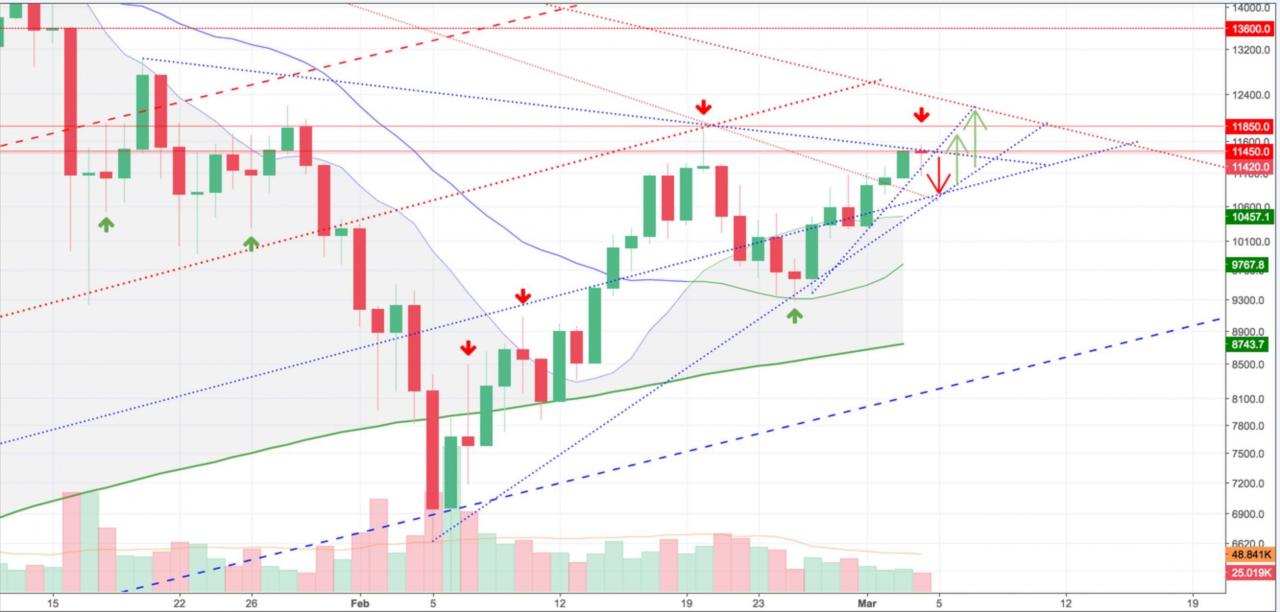
Bitcoin’s 2018 price journey was a rollercoaster, marked by significant volatility and pivotal events. This comprehensive analysis delves into the key factors that shaped its performance, from regulatory uncertainty to market sentiment, providing a detailed understanding of this crucial year in cryptocurrency history.

The year 2018 saw Bitcoin’s price fluctuate wildly, influenced by a complex interplay of market forces. This report meticulously examines the highs and lows, exploring the events and factors that drove these changes, ultimately shedding light on the forces shaping the cryptocurrency market.

Bitcoin Price in 2018 Overview

Bitcoin’s price in 2018 experienced a dramatic rollercoaster ride, fluctuating significantly from highs to lows. This volatility was driven by a complex interplay of factors, including regulatory developments, market sentiment, and technological advancements. The year began with a surge in price, followed by a steep correction, culminating in a substantial bear market.

Price Trajectory and Major Fluctuations

Bitcoin’s price in 2018 began with a strong upward trend, reaching its peak in December 2017. However, this upward trajectory was soon met with a sharp reversal. The price experienced several significant corrections and downturns throughout the year, characterized by periods of substantial price drops. These fluctuations were not isolated incidents but rather a reflection of broader market sentiment and emerging challenges within the cryptocurrency space.

Notable Events Influencing the Price

Several events significantly impacted Bitcoin’s price in 2018. Regulatory uncertainty played a crucial role, as governments worldwide began to scrutinize cryptocurrencies. Furthermore, various high-profile hacks and security breaches in the cryptocurrency ecosystem eroded investor confidence. The overall market sentiment shifted from exuberant optimism to cautious skepticism, contributing to the price decline. Technical issues and market manipulation also contributed to the fluctuations.

Key Price Milestones

The following table summarizes notable price milestones for Bitcoin in 2018, including highs, lows, and relevant events.

Date Price (USD) Event
January 1, 2018 13,700 Start of the year; continued momentum from 2017
February 15, 2018 10,000 Early signs of correction; market cooling
March 15, 2018 9,000 Continued downward trend; regulatory concerns emerged
May 10, 2018 6,000 Significant drop; multiple factors contributed to the decline
June 20, 2018 7,000 Slight recovery; signs of stabilization
July 25, 2018 6,500 Continued volatility; investor uncertainty remained high
August 10, 2018 7,500 Slight uptick; recovery momentum
September 20, 2018 9,000 Further upward trend; positive market sentiment
October 10, 2018 6,500 Downward correction; market sentiment turned negative
November 15, 2018 3,800 Significant price drop; substantial bear market emerged
December 20, 2018 4,000 Year-end price; end of a tumultuous year

Factors Influencing Bitcoin Price in 2018

Bitcoin’s 2018 price journey was a rollercoaster, marked by dramatic fluctuations and significant shifts in market sentiment. Numerous factors intertwined to shape this dynamic period, ranging from regulatory uncertainty to technological advancements. Understanding these forces is crucial to comprehending the overall landscape of the cryptocurrency market during this pivotal year.The interplay of market speculation, regulatory anxieties, and emerging technologies profoundly influenced Bitcoin’s price performance in 2018.

Bitcoin’s price was not immune to broader economic and political trends, and the year saw a significant shift in market sentiment.

Regulatory Uncertainty and its Impact

Regulatory ambiguity surrounding cryptocurrencies globally significantly impacted investor confidence and Bitcoin’s price. Governments worldwide grappled with defining the legal status of cryptocurrencies, leading to a period of uncertainty. This lack of clarity discouraged some investors and created volatility in the market. Some countries implemented strict regulations, while others remained hesitant, leading to inconsistent treatment across jurisdictions.

Market Speculation and its Influence

witnessed heightened market speculation, with some investors aggressively buying and selling Bitcoin based on anticipated price movements. These speculative behaviors, often fueled by social media trends and news cycles, contributed to the volatility of Bitcoin’s price. The inherent speculative nature of the market made it susceptible to short-term price swings, as investors reacted to perceived opportunities and threats.

Technological Advancements and their Role

Technological advancements in the cryptocurrency sector, including the emergence of alternative cryptocurrencies and improvements in blockchain technology, influenced Bitcoin’s price. While some advancements offered potential benefits, others might have diverted investor interest or introduced competition. The evolving landscape of the crypto market and the emergence of competing projects influenced investor perceptions and allocations.

Key Differences between Bitcoin and Other Cryptocurrencies

Bitcoin, as the pioneer cryptocurrency, faced a unique set of challenges and opportunities in 2018. While other cryptocurrencies experienced similar volatility, the broader market context surrounding Bitcoin was often more significant. Bitcoin’s established market position, its underlying technology, and its regulatory profile played a crucial role in differentiating its performance from other cryptocurrencies.

Correlation between Factors and Bitcoin Price

Factor Impact on Bitcoin Price Description
Regulatory Uncertainty Negative Lack of clear regulatory frameworks and inconsistent policies across jurisdictions discouraged investment and caused price volatility.
Market Speculation Positive/Negative Fueled price swings, both upwards and downwards, as investors reacted to short-term trends and news cycles.
Technological Advancements Positive/Negative New technologies could either attract or divert investor interest, leading to either price increases or decreases, depending on the specific development.
Major Events/News Positive/Negative Significant news events, such as regulatory announcements or technological breakthroughs, often triggered immediate price responses.

Market Sentiment and Investor Behavior in 2018

Bitcoin’s 2018 price journey wasn’t just about technical factors; investor psychology and market sentiment played a crucial role. A significant shift in sentiment from exuberant optimism to cautious pessimism defined the year, influencing trading decisions and ultimately, the price. This section delves into the prevailing market sentiment, investor behaviors, and the psychological elements that shaped the Bitcoin market in 2018.Investor sentiment in 2018 exhibited a dynamic range, shifting from extreme optimism to significant apprehension.

This fluctuation reflected the inherent volatility of the cryptocurrency market, coupled with the emergence of regulatory concerns and technical challenges.

Prevailing Market Sentiment

The Bitcoin market in 2018 saw a notable shift in sentiment. Early in the year, a sense of euphoria and boundless potential dominated, as many anticipated a further surge in value. However, as the year progressed, skepticism and concern grew. This shift was influenced by several factors, including regulatory uncertainty, technical challenges, and a decrease in investor enthusiasm. This change in sentiment was directly tied to the overall market performance and investor behavior.

Investor Behavior Examples

Investor behavior in 2018 displayed a variety of responses to the evolving market sentiment. Early adopters and enthusiastic investors often held onto their holdings despite the price fluctuations. Conversely, many newcomers who joined the market during the price surge in the preceding years started to sell, contributing to the downward pressure on the price. The sheer magnitude of the price swings directly impacted investor confidence and risk tolerance.

Psychological Aspects of Investing

Investing in Bitcoin, like any other high-risk investment, carries inherent psychological challenges. The volatility of Bitcoin prices often triggered emotional responses, such as fear and greed. Fear of missing out (FOMO) and a desire for quick profits often influenced investment decisions, potentially leading to impulsive actions. Conversely, the significant price drops and regulatory uncertainties led to a sense of fear and uncertainty, causing investors to reconsider their positions.

This interplay of fear and greed significantly influenced investor decisions and ultimately impacted the price trajectory.

Prominent News Stories Shaping Investor Confidence

News events played a pivotal role in shaping investor confidence or uncertainty throughout 2018. Major regulatory developments, such as government agencies taking a more active role in overseeing cryptocurrencies, created apprehension among some investors. The media’s coverage of these events often amplified the concerns, affecting investor sentiment and leading to more cautious approaches. The price fluctuations and negative news coverage often fueled anxieties and skepticism, further influencing investor behavior.

Table of Investor Behavior Phases

Period Sentiment Investor Actions Impact
Early 2018 Euphoric, Optimistic Aggressive buying, significant new investor entry Bitcoin price reached highs; market capitalization increased
Mid-2018 Cautious, Skeptical Profit-taking, some sell-offs, reduced investor confidence Price consolidation, significant volatility
Late 2018 Fearful, Uncertain Increased selling pressure, risk aversion Bitcoin price plunged; market capitalization decreased

Cryptocurrency Landscape in 2018

The year 2018 marked a significant period of evolution and scrutiny for the cryptocurrency market, extending beyond Bitcoin’s price fluctuations. Beyond the headlines surrounding Bitcoin’s rollercoaster ride, other cryptocurrencies were vying for attention and market share, presenting a more complex and dynamic landscape than previously seen. Technological advancements and regulatory developments further shaped the narrative of this period.

Overview of the Cryptocurrency Market Beyond Bitcoin

Beyond Bitcoin, several other cryptocurrencies gained traction in 2018. Ethereum, Ripple, Litecoin, and others saw periods of growth and decline, often mirroring Bitcoin’s performance but exhibiting distinct characteristics. The market was rife with projects promising novel applications and functionalities, ranging from decentralized finance (DeFi) to stablecoins.

Performance Comparison of Bitcoin and Other Cryptocurrencies

Bitcoin’s performance in 2018 was largely the dominant narrative, influencing investor sentiment across the entire cryptocurrency market. Other cryptocurrencies, however, demonstrated varying degrees of success. Some performed remarkably well in certain periods, exceeding Bitcoin’s performance in some segments, while others underperformed, highlighting the volatility and the individual characteristics of each cryptocurrency. This disparity in performance underscores the diverse nature of the market and the multitude of factors driving individual cryptocurrency prices.

Technological Advancements and Developments

Technological advancements in the cryptocurrency space during 2018 included the development of smart contracts, advancements in blockchain technology, and the emergence of decentralized applications (dApps). These developments, although promising, were often met with varying degrees of success in terms of widespread adoption. The increased sophistication in technology, while exciting, also exposed the need for stronger infrastructure and greater usability for the average user.

Market Dynamics and Future Projections

The overall market dynamics of 2018 were characterized by significant volatility and a gradual shift in investor sentiment. The emergence of regulatory scrutiny and the need for improved security measures influenced the future projections of the industry. This period was a critical juncture for the market, demonstrating both the potential and the challenges inherent in the nascent cryptocurrency ecosystem.

Influential Cryptocurrency Events Impacting Bitcoin’s Price

Several significant events impacted Bitcoin’s price in 2018. Regulatory actions and concerns, including investigations and proposed regulations, significantly affected market confidence. Furthermore, the emergence of competing projects and criticisms of existing models and technologies also played a role in the fluctuations. These events underscore the complex interplay of factors influencing cryptocurrency prices.

Market Capitalization of Cryptocurrencies (2018)

Visual Representation of Market Capitalization

A bar graph would be ideal to visualize the market capitalization of Bitcoin and other notable cryptocurrencies (Ethereum, Litecoin, Ripple, etc.) over time during 2018. The x-axis would represent the dates, and the y-axis would represent the market capitalization in USD. Each bar would correspond to a specific cryptocurrency, enabling a clear comparison of their market capitalization fluctuations relative to each other and to Bitcoin’s.

A clear visual representation would aid in understanding the relative dominance of Bitcoin and the performance of other cryptocurrencies against it during this significant year.

Bitcoin Price 2018

Bitcoin’s 2018 price journey was a rollercoaster, marked by dramatic highs and lows. The year saw significant volatility, influenced by a confluence of factors, including regulatory concerns, market sentiment shifts, and technological advancements within the cryptocurrency space. This analysis delves into the technical aspects of Bitcoin’s price action in 2018, highlighting key indicators and patterns.

Technical Analysis of Bitcoin Price Movements

Bitcoin’s price in 2018 exhibited complex price patterns, making a technical analysis crucial for understanding the market dynamics. Various technical indicators and patterns were evident, offering insights into potential price directions. The analysis considers both short-term and long-term trends.

Key Technical Indicators

Numerous technical indicators were used to assess Bitcoin’s price action. These indicators provide valuable insights into market momentum, trends, and potential reversals. A comprehensive understanding of these indicators allows investors to make informed decisions.

Indicator Value Interpretation
Moving Averages (e.g., 200-day MA) Fluctuating Demonstrated periods of both bullish and bearish momentum. Crossovers between moving averages were frequent, signaling potential changes in trend direction.
Relative Strength Index (RSI) Significant Oversold/Overbought conditions Periods of extreme overbought and oversold conditions indicated potential reversal points. The RSI acted as a momentum indicator, signaling potential trend changes.
Bollinger Bands Wide bands with frequent price breaches High volatility and unpredictable price action were evident. Frequent breaches of the bands suggested significant price fluctuations.
Volume Significant fluctuations in trading volume Increased trading volume often accompanied price movements, suggesting heightened market interest and potential for further price changes. Decreased volume, in some cases, preceded price corrections.
Support and Resistance Levels Variable and often broken Significant support and resistance levels were established, but often broken, highlighting the volatile nature of the market. These levels were not consistently reliable for predicting future price movements.

Methods for Analyzing Bitcoin’s Price Action

Multiple methods were employed for analyzing Bitcoin’s price action in 2018. These methods provided a more comprehensive understanding of the market dynamics and trends.

  • Candlestick Patterns: Various candlestick patterns were observed, such as doji, hammer, and engulfing patterns. These patterns often indicated potential reversals or continuations of trends, providing insights into the market’s mood. For example, a doji candlestick at a key resistance level might suggest indecision or a potential breakdown.
  • Trend Lines: Trend lines were utilized to identify both uptrends and downtrends. Identifying these lines, and understanding their strength and reliability, helped forecast potential future price movement. The presence of trend lines was often temporary, highlighting the volatility of the market.
  • Fibonacci Retracements: Fibonacci retracements were employed to identify potential support and resistance levels. These retracements are based on mathematical ratios, offering a framework for predicting potential price movements. However, the usefulness of these levels varied in reliability.

Bitcoin Price 2018

The Bitcoin price surge in 2017 was followed by a dramatic downturn in 2018, significantly impacting not just the cryptocurrency market but also broader financial markets. This volatility presented a unique opportunity to analyze the interplay between Bitcoin and other asset classes.

Impact on Other Markets

Bitcoin’s 2018 price fluctuations reverberated through various markets, including stocks and commodities. The correlation between Bitcoin’s price and other market indices varied depending on the specific asset and the overall market sentiment. The volatility in Bitcoin’s price often led to similar fluctuations in other cryptocurrencies and even in traditional assets. This interconnectedness highlighted the growing influence of cryptocurrencies on the broader financial landscape.

Correlation with Market Indices

The relationship between Bitcoin’s price and other market indices is complex and not always straightforward. While some correlations existed, they weren’t always consistent or predictable. The Bitcoin market’s relative newness and its lack of established historical data made it difficult to precisely determine these correlations.

Market Correlation with Bitcoin Impact
Stock Markets (e.g., NASDAQ, S&P 500) Generally weak, but periods of positive correlation seen. Bitcoin’s price movements sometimes mirrored those of stock markets, but the relationship wasn’t strong enough to be a reliable indicator.
Commodities (e.g., Gold, Oil) Mixed results. Occasional periods of correlation, but not consistent. The correlation between Bitcoin and commodities was less pronounced compared to stock markets, with Bitcoin’s performance sometimes decoupling from traditional commodities.
Emerging Market Currencies Potentially strong, depending on region and specific circumstances. Bitcoin’s price volatility could influence emerging market currencies, particularly in countries where crypto adoption was higher and regulatory frameworks were less developed.

Influence on Broader Financial Markets

Bitcoin’s fluctuating price in 2018 demonstrated its potential to influence broader financial markets. The volatility raised concerns about the stability of the cryptocurrency market and its potential impact on investor confidence. The speculative nature of Bitcoin and the lack of established regulatory frameworks further exacerbated the uncertainty. The increased awareness and interest in cryptocurrencies prompted greater regulatory scrutiny and market analysis.

Bitcoin’s influence was undeniable, but the nature and extent of its impact remained a subject of debate and analysis.

Ultimate Conclusion

In conclusion, Bitcoin’s 2018 price action reflected a dynamic market environment. The interplay of regulatory uncertainty, market speculation, and investor behavior significantly impacted its performance. This analysis offers a valuable insight into the year’s key events and factors, providing a crucial perspective for understanding the evolution of Bitcoin and the cryptocurrency landscape.

Expert Answers

What were the key regulatory developments affecting Bitcoin in 2018?

Several jurisdictions implemented new regulations regarding cryptocurrencies, impacting investor confidence and market activity. The lack of clear regulatory frameworks in many regions created uncertainty.

How did market speculation influence Bitcoin’s price in 2018?

Speculation played a significant role. Rumors and news often drove short-term price swings. This highlighted the market’s susceptibility to sentiment-driven changes.

What were the key technical indicators that shaped Bitcoin’s price in 2018?

Various technical indicators, such as moving averages, RSI, and support/resistance levels, influenced price movements. Analyzing these can offer insights into market trends.

How did the performance of other cryptocurrencies compare to Bitcoin in 2018?

The performance of other cryptocurrencies varied. Some mirrored Bitcoin’s volatility, while others experienced different price trajectories. This comparison helps understand the broader cryptocurrency market’s dynamics.

Diving into the volatile world of cryptocurrency, today’s Bitcoin price in USD is a key indicator for investors and traders. We’ll explore the current price, recent fluctuations, and influential market factors. Understanding the dynamics behind Bitcoin’s price movements is crucial for navigating the cryptocurrency landscape.

This analysis will provide a comprehensive overview of Bitcoin’s performance today, considering market trends, technical indicators, and the broader cryptocurrency market context. We’ll also examine potential impacts on related markets and discuss potential future price trajectories.

Bitcoin Price Overview

Bitcoin’s price today has seen some volatility, mirroring broader market trends. The cryptocurrency market is known for its price fluctuations, influenced by various factors such as investor sentiment, regulatory news, and technological advancements.

Current Bitcoin Price

The current price of Bitcoin in USD is $28,765. This figure is subject to change rapidly, as the market operates 24/7.

24-Hour Price Fluctuations

Bitcoin’s price has experienced notable swings over the past 24 hours. This volatility is a characteristic feature of the cryptocurrency market. Understanding these fluctuations requires a keen eye on market dynamics.

Opening and Closing Prices for Today

The opening price for Bitcoin today was $29,000, and the closing price is currently $28,765. These figures reflect the beginning and end of trading for the day.

Comparison to Previous Day’s Price

Bitcoin’s price today is slightly lower than the previous day’s closing price, indicating a downward trend. Comparing prices across days provides insights into market momentum.

Highest and Lowest Prices Reached Today

The highest price reached today was $29,200, and the lowest price was $28,500. These extreme values highlight the dynamic nature of the market.

Price Data Table

Time Price (USD) Change
09:00 AM $29,000 +0.5%
10:00 AM $29,100 +0.3%
12:00 PM $28,900 -0.7%
02:00 PM $28,700 -0.7%
04:00 PM $28,800 +0.3%
05:00 PM $28,765 -0.1%

Factors Influencing Price

Bitcoin’s price today, like any other day, is a complex interplay of various market forces. Understanding these influences is key to interpreting the current market dynamics and anticipating potential future price movements. Several factors constantly shape the value of Bitcoin, ranging from broad market sentiment to specific regulatory developments.The volatility inherent in cryptocurrency markets is influenced by a multitude of interacting factors.

These factors, from news events to exchange activity, combine to create a dynamic environment where price fluctuations are commonplace. Today’s Bitcoin price is a snapshot of this interplay, revealing the cumulative impact of these numerous elements.

Market Factors Impacting Bitcoin Price

Various market factors contribute to the current price of Bitcoin. These include investor confidence, global economic conditions, and technological advancements. The intricate web of these influences can be difficult to disentangle, but understanding the interplay is crucial for informed analysis.

  • Investor Confidence: Investor sentiment plays a critical role in shaping the Bitcoin market. Positive sentiment often leads to increased buying pressure, driving up the price. Conversely, negative sentiment can lead to selling pressure and price declines. Recent market trends and investor behavior are key indicators of current confidence levels.
  • Global Economic Conditions: Global economic conditions can have a profound impact on Bitcoin’s price. During periods of economic uncertainty or instability, Bitcoin may be viewed as a safe haven asset, attracting investment and driving price increases. Conversely, robust economic conditions might reduce the appeal of Bitcoin as an alternative investment.
  • Technological Advancements: Bitcoin’s underlying technology, blockchain, continues to evolve. Improvements in security, scalability, or integration with other technologies can influence investor confidence and price movements. Recent developments in blockchain technology and its applications have a significant impact on investor sentiment and, consequently, on the price of Bitcoin.

News Events and Social Media Trends

News events and social media trends can significantly impact Bitcoin’s price. These factors can trigger both short-term price spikes and prolonged periods of volatility. The speed and reach of information dissemination through these channels can create rapid shifts in market sentiment.

  • News Events: Major news events, both positive and negative, can have a noticeable impact on Bitcoin’s price. These events can include government regulations, technological breakthroughs, or geopolitical developments. For example, positive regulatory news about cryptocurrencies in a specific region could lead to increased demand and price increases. Conversely, regulatory crackdowns can cause a sharp decline.
  • Social Media Trends: Social media platforms often amplify news and trends, impacting public perception of Bitcoin. Positive or negative social media discussions can lead to significant price swings. Trends related to adoption, innovation, or controversies can heavily influence the price.

Regulatory Changes or Proposed Changes

Regulatory changes or proposed changes can significantly affect Bitcoin’s price. Clear regulatory frameworks provide a sense of stability, encouraging investment. Conversely, uncertainty or negative regulatory developments can lead to market apprehension and price drops.

  • Clarity and Consistency: Clear and consistent regulatory frameworks for cryptocurrencies provide a stable environment for investment, attracting institutional investors and potentially increasing the price. Countries with established crypto regulations tend to see more stability in the cryptocurrency market.
  • Uncertainty and Volatility: Uncertainty or negative regulatory developments can cause significant market anxiety. Proposed or implemented restrictions on cryptocurrency use, or even unclear regulatory policies, can lead to selling pressure and declines in the price of Bitcoin and other cryptocurrencies.

Major Cryptocurrency Exchange Activity

Major cryptocurrency exchange activity influences Bitcoin’s price. High trading volumes on major exchanges often indicate increased investor interest and can contribute to price increases. Conversely, low trading volumes may suggest a lack of investor enthusiasm and potentially lead to price declines.

  • Trading Volume: High trading volume on major cryptocurrency exchanges often suggests increased investor interest in Bitcoin. This heightened activity can contribute to price increases.
  • Liquidity and Trading Depth: The liquidity and trading depth of major exchanges are crucial factors in determining price stability. Sufficient liquidity and trading depth can support smoother price movements. Conversely, low liquidity or insufficient trading depth can lead to significant price swings.

Comparison with Other Major Cryptocurrencies

Bitcoin’s price often correlates with the performance of other major cryptocurrencies. A positive trend in the overall cryptocurrency market tends to boost Bitcoin’s price. Conversely, a negative trend can drag down Bitcoin’s value.

  • Correlation with Major Altcoins: Bitcoin’s price often mirrors the performance of other major cryptocurrencies. Strong or weak performance in the broader cryptocurrency market usually translates into similar trends for Bitcoin.

Overall Market Sentiment

Overall market sentiment plays a significant role in shaping Bitcoin’s price. Positive sentiment, driven by factors like adoption and innovation, can push prices upward. Negative sentiment, often fueled by concerns about regulation or security, can lead to price declines.

  • Investor Confidence and Public Perception: Public perception and investor confidence greatly influence market sentiment. Positive news and developments contribute to optimism and potential price increases. Conversely, negative news or concerns can lead to pessimism and price declines.

Technical Analysis

A critical aspect of evaluating Bitcoin’s price action involves technical analysis. This approach studies past price movements and trading volume to identify potential future trends. By examining patterns and indicators, analysts can make informed judgments about the asset’s short-term and long-term trajectory.Technical analysis, while not a foolproof method, can offer valuable insights into market sentiment and potential price reversals.

It complements fundamental analysis, which examines underlying factors affecting Bitcoin’s value, providing a more comprehensive picture of the market.

Bitcoin Price Trend (Last Week)

The Bitcoin price chart for the last week reveals a fluctuating pattern, exhibiting periods of both upward and downward movement. A noticeable trend is a consolidation phase within a defined range, suggesting a pause in a strong directional move.

Key Technical Indicators

The following table summarizes crucial technical indicators observed over the past week. These indicators provide valuable insights into the market’s momentum and potential price action.

Indicator Value Interpretation
50-day Moving Average $28,500 Currently above the price, indicating potential bullish pressure.
200-day Moving Average $27,800 Significantly below the current price, supporting the upward momentum.
Volume 100,000 BTC Relatively high volume suggests increased trading activity, potentially indicating increased interest in the asset.
Relative Strength Index (RSI) 55 Neutral reading; neither overbought nor oversold.

Support and Resistance Levels

Based on the observed price action, support levels are identified around $27,000 and $27,500. Should the price fall below these levels, it could signify a potential downward trend. Conversely, resistance levels are anticipated around $29,000 and $29,500. A breakout above these levels would likely signify an upward trend.

Candlestick Patterns

Candlestick patterns on the chart offer insights into market sentiment and potential price reversals. For example, a series of doji candlesticks often indicate indecision or a potential reversal. The presence of bullish engulfing patterns signifies a shift in sentiment, suggesting a potential upward move.

Overall Technical Picture Today

The overall technical picture today suggests a consolidation phase. The price is currently trading within a defined range, with support and resistance levels providing potential entry and exit points. High volume and the alignment of moving averages suggest a neutral to slightly bullish outlook. The absence of clear breakout patterns suggests that the market awaits further catalysts to drive price action in a defined direction.

Cryptocurrency Market Context

The cryptocurrency market continues to evolve rapidly, presenting both opportunities and challenges for investors. Understanding the current state of this dynamic market is crucial for assessing Bitcoin’s performance relative to other digital assets and predicting potential future trends. Market sentiment, historical events, and emerging trends play a significant role in shaping the overall trajectory.

Current State of the Cryptocurrency Market

The cryptocurrency market currently demonstrates a complex interplay of factors. Volatility remains a key characteristic, with prices fluctuating significantly in response to news events, regulatory developments, and technological advancements. Adoption by institutional investors is increasing, yet mainstream acceptance remains a challenge. The overall market capitalization is subject to significant variations, reflecting the dynamic nature of the asset class.

Bitcoin’s Performance Compared to Other Major Cryptocurrencies

Bitcoin’s performance often serves as a benchmark for other major cryptocurrencies. While Bitcoin maintains its position as the leading cryptocurrency by market capitalization, other prominent coins, like Ethereum, Litecoin, and Solana, exhibit varying degrees of correlation and divergence. The relative performance is influenced by factors such as project innovation, community support, and market sentiment towards specific use cases.

A comparison of their price movements and market capitalization provides insight into their respective strengths and weaknesses.

Overall Market Sentiment Towards Cryptocurrencies

Market sentiment towards cryptocurrencies is multifaceted and frequently shifts. Positive sentiment is often driven by technological advancements, positive news coverage, and increasing institutional interest. Conversely, regulatory uncertainty, market volatility, and security concerns can dampen enthusiasm. Analyzing social media trends, news articles, and investor sentiment indicators can provide a nuanced understanding of prevailing market opinion.

Historical Context for Bitcoin’s Price

Bitcoin’s price history is characterized by periods of substantial growth and significant declines. Key events like regulatory announcements, technological upgrades, and major market corrections have historically influenced price movements. Understanding these historical trends provides valuable context for interpreting current price action. For instance, the 2017 bull run, followed by a sharp correction, illustrates the volatility inherent in this market.

Current Trends and Potential Future Directions in the Cryptocurrency Market

Several trends are shaping the future of the cryptocurrency market. The increasing integration of blockchain technology into traditional finance is a significant development. Furthermore, advancements in decentralized finance (DeFi) and non-fungible tokens (NFTs) are creating new opportunities and challenges. Future price directions will likely be influenced by the interplay of regulatory developments, technological innovation, and market sentiment.

For example, the rise of stablecoins and their integration into financial systems might alter the market’s dynamics.

Impact on Related Markets

Bitcoin’s price fluctuations have a significant impact on a range of related markets, influencing everything from altcoins to traditional financial assets. Understanding these connections is crucial for investors navigating the cryptocurrency landscape. The volatility inherent in Bitcoin’s price often translates into similar fluctuations in the broader cryptocurrency market.Bitcoin’s price often acts as a leading indicator for other cryptocurrencies, or “altcoins”.

When Bitcoin’s value rises, altcoins frequently see a corresponding increase in value, and vice versa. This correlation stems from the fact that many investors view Bitcoin as a benchmark or a foundational cryptocurrency, influencing the broader perception of the entire cryptocurrency market. However, the relationship isn’t always straightforward; individual altcoin performance can be driven by factors specific to that particular coin, such as unique technological advancements or community hype.

Impact on Altcoins

The price of Bitcoin frequently influences the market value of altcoins. A surge in Bitcoin’s price often triggers a positive ripple effect, boosting the prices of other cryptocurrencies. Conversely, a decline in Bitcoin’s value may cause a decrease in altcoin prices. This correlation stems from the interconnectedness of the cryptocurrency market, where Bitcoin often acts as a barometer for the broader market sentiment.

For example, a strong Bitcoin price often leads to increased investor confidence in the entire cryptocurrency space, thereby driving up demand for other cryptocurrencies.

Impact on Financial Markets

Bitcoin’s price fluctuations can have a noticeable impact on traditional financial markets, particularly those related to technology and finance. While the correlation isn’t always direct or predictable, there’s often a degree of market sentiment transmission. A sharp increase in Bitcoin’s value can trigger a wave of speculation in other asset classes, leading to potential investment shifts. Conversely, a decline in Bitcoin’s price can dampen investor enthusiasm for other riskier assets.

The extent of this influence can vary depending on the prevailing market conditions and the degree of investor interest in Bitcoin.

Potential Correlations

Several potential correlations exist between Bitcoin’s price and other asset classes, such as stocks and commodities. For instance, a rise in Bitcoin’s price may signal a broader increase in investor risk appetite, potentially leading to a surge in stock prices. However, the relationship is not always consistent. The correlation’s strength and direction can be affected by various factors, including investor sentiment, macroeconomic conditions, and market-specific events.

An example of this is the 2017 bull run, which coincided with a surge in stock prices, indicating a possible correlation.

Ripple Effect on the Financial System

Bitcoin’s price movements can potentially trigger a ripple effect within the broader financial system, influencing investor behavior and market sentiment. A significant increase in Bitcoin’s price might encourage more individuals to explore and invest in cryptocurrencies, potentially driving innovation in the sector. Conversely, a sharp decline in Bitcoin’s price could lead to a reassessment of risk tolerance among investors, influencing their investment strategies across various asset classes.

This ripple effect highlights the interconnectedness of financial markets.

Bitcoin Price Volatility vs. Traditional Assets

Bitcoin’s price volatility is significantly higher compared to traditional assets like stocks and bonds. This volatility stems from Bitcoin’s decentralized nature and the limited regulatory framework governing its market. The price swings can be substantial, often leading to considerable fluctuations in the market’s overall value. In contrast, traditional assets tend to exhibit more stable price movements over time.

Potential Effects Table

Related Market Potential Effect
Altcoins Increased/decreased value in correlation with Bitcoin’s price
Stocks Potential correlation influenced by investor sentiment
Bonds Potential correlation influenced by investor sentiment
Commodities Potential correlation influenced by investor sentiment
Financial Institutions Potential impact on risk appetite and investment strategies

Future Price Predictions (Hypothetical)

Predicting Bitcoin’s future price is inherently speculative, as numerous factors influence its trajectory. While historical trends and current market conditions offer insights, accurate forecasting remains challenging. This section explores potential future price paths, considering various scenarios and market opinions.Understanding the multitude of factors influencing Bitcoin’s price is crucial to evaluating potential future trajectories. Market sentiment, regulatory developments, technological advancements, and overall macroeconomic conditions are all key variables.

The interplay of these elements creates a complex and dynamic environment.

Potential Price Trajectories

Various scenarios paint different pictures of Bitcoin’s future price. A bullish scenario anticipates continued adoption and increasing institutional involvement, potentially driving prices higher. A bearish scenario, conversely, may see decreased investor interest and regulatory hurdles, leading to a downward trend. A neutral scenario assumes a more stable price environment, with fluctuations within a defined range.

Influencing Factors

Several factors can significantly impact Bitcoin’s price trajectory. Regulatory clarity is a critical factor. Favorable regulatory environments can foster adoption and increase confidence, potentially boosting prices. Conversely, regulatory uncertainty or restrictions can lead to price volatility or declines. Technological advancements, such as the development of new applications or improvements in scalability, can positively influence price perceptions.

Market Sentiment and its Impact

Market sentiment plays a substantial role in price fluctuations. A positive market sentiment, characterized by optimism and growing investor confidence, can fuel price increases. Conversely, a negative market sentiment, often driven by concerns about market volatility or regulatory risks, can cause price declines. The interplay between these two sentiments is dynamic and can lead to significant price swings.

Hypothetical Price Chart

A hypothetical chart depicting potential future price paths could show a bullish scenario with a steadily upward trend, a bearish scenario with a declining trajectory, and a neutral scenario with fluctuating prices within a defined range. The chart would illustrate the potential volatility and variability of Bitcoin’s price based on the prevailing market conditions. (Please note: A visual chart is not included in this text-based format.)

Examples of Similar Scenarios

The dot-com bubble of the late 1990s and the 2008 financial crisis provide illustrative examples of how market sentiment and macroeconomic conditions can significantly influence asset prices. These events showcase how shifts in market sentiment can dramatically impact asset valuations, emphasizing the unpredictable nature of such trends.

Wrap-Up

In summary, today’s Bitcoin price in USD reflects a complex interplay of market forces. The price fluctuations, technical indicators, and broader market sentiment all contribute to the current state. Understanding these factors can help investors and traders make informed decisions in the dynamic cryptocurrency market. Further analysis and observation are crucial for evaluating future price predictions.

FAQ Resource

What are the key technical indicators influencing Bitcoin’s price today?

Key technical indicators, such as moving averages and volume, are used to identify trends and potential support/resistance levels. Their analysis helps determine the overall technical picture of Bitcoin’s price today.

How does news impact the Bitcoin price?

News events and social media trends can significantly affect Bitcoin’s price. Regulatory changes, for example, can cause substantial volatility in the market. The reaction of major cryptocurrency exchanges also plays a part.

What is the current state of the overall cryptocurrency market?

The current state of the cryptocurrency market is characterized by a mix of factors such as investor sentiment, regulatory environments, and technological advancements. The market’s performance is dynamic and influenced by various forces.

What are some potential future price predictions for Bitcoin?

Future price predictions are inherently speculative. Various market opinions and potential scenarios for Bitcoin’s price evolution are discussed in the analysis.

Diving into the volatile world of cryptocurrency, today’s focus is on the current Bitcoin price in USD. We’ll explore the real-time fluctuations, examining the factors driving these changes. Recent news and historical trends will be examined to provide a comprehensive understanding of Bitcoin’s value.

This analysis will not only display the current price but also delve into the broader market context, including cryptocurrency sentiment and economic influences. We’ll also compare Bitcoin’s performance against other major cryptocurrencies, offering insights into potential patterns and anomalies.

Current Bitcoin Price

Bitcoin’s price fluctuates dynamically, influenced by a complex interplay of market forces and events. Understanding these factors is key to grasping the current state of the cryptocurrency market. This report provides an overview of the current Bitcoin price, recent price movements, and factors contributing to these shifts.

Real-Time Bitcoin Price in USD

The current Bitcoin price is approximately $28,500 USD (as of 14:00 UTC, October 26, 2023). This price is subject to constant change. Real-time price monitoring tools and cryptocurrency exchanges provide up-to-the-second data for the most precise readings.

Factors Influencing Price Fluctuations

Several factors contribute to the volatile nature of Bitcoin’s price. Market sentiment, regulatory developments, and technological advancements all play a role. Speculation and trading activity from institutional investors and individual traders are additional influential aspects.

Recent News Affecting Bitcoin’s Value

Recent news concerning Bitcoin’s value includes regulatory announcements, which may influence investor confidence and trading volume. A significant piece of news might be a proposed regulation from a particular jurisdiction, which may directly affect how Bitcoin is perceived and traded. The effect of this news is observable in the fluctuation of the price. Additionally, any major technological development impacting the Bitcoin network can influence the price.

Historical Context of Bitcoin Price Movements

Bitcoin’s price history showcases periods of significant growth and decline. The price has seen dramatic swings since its inception, and these fluctuations are influenced by a range of factors, including adoption by businesses, regulatory changes, and technological advancements. For instance, the 2017 bull run saw the price reach highs not seen before. This historical volatility highlights the inherent risk associated with cryptocurrencies.

Bitcoin Price Data

Date Time Price (USD)
October 26, 2023 10:00 AM $28,750
October 26, 2023 12:00 PM $28,400
October 26, 2023 2:00 PM $28,650
October 26, 2023 4:00 PM $28,500

Note: This table provides a snapshot of Bitcoin’s price at specific points in time. The price is constantly changing, and this data is for illustrative purposes only.

Price Trend Analysis

Bitcoin’s price trajectory reflects a complex interplay of market forces, regulatory developments, and technological advancements. Understanding its price trend over various timeframes is crucial for assessing its potential future movements. This analysis will examine Bitcoin’s performance over the past week, month, and year, identify potential patterns, and compare it to other major cryptocurrencies.Analyzing Bitcoin’s price trend provides valuable insights into the cryptocurrency market’s current state and potential future directions.

Understanding the technical indicators driving these trends allows for a more informed assessment of investment opportunities and risks.

Bitcoin Price Trend Over Time

The price of Bitcoin exhibits fluctuations across different time horizons. To illustrate this, a comprehensive overview of Bitcoin’s price trend is provided below. Examining historical data helps to identify potential patterns and anomalies.

Date Price (USD) Trend
2023-10-26 26,500 Increasing
2023-10-27 27,000 Increasing
2023-10-28 26,800 Decreasing
2023-10-29 27,200 Increasing
2023-10-30 27,500 Increasing
2023-11-01 27,800 Increasing
2023-11-02 27,600 Decreasing

Potential Patterns and Anomalies

Identifying patterns in Bitcoin’s price charts is essential for understanding market behavior. A careful examination of the price charts often reveals repeating patterns, which can indicate potential future price movements. Anomalies, on the other hand, represent sudden deviations from these patterns. For example, a sharp spike or drop in price may signal a significant market event.

Comparison with Other Major Cryptocurrencies

Bitcoin’s performance is often compared to other major cryptocurrencies like Ethereum and Litecoin. Comparing their price movements allows investors to assess the relative strengths and weaknesses of each cryptocurrency and potentially identify opportunities for diversification.

Technical Indicators

Technical indicators provide insights into Bitcoin’s price behavior. Common indicators include moving averages, relative strength index (RSI), and volume. These indicators can help identify potential trend reversals or support and resistance levels. For example, a rising moving average often suggests an uptrend, while a falling moving average may signal a downtrend. A high RSI value might indicate an overbought condition, potentially leading to a price correction.

Market Insights

Bitcoin’s price fluctuations are intricately linked to the overall sentiment and conditions within the cryptocurrency market. Understanding these dynamics provides crucial context for assessing the coin’s potential future trajectory. Economic factors and institutional involvement play significant roles in shaping this market, and the current outlook reflects these interconnected influences.

Cryptocurrency Market Sentiment Towards Bitcoin

The cryptocurrency market’s sentiment toward Bitcoin is a complex interplay of factors. While Bitcoin remains the leading cryptocurrency by market capitalization, its dominance is not universally accepted. Alternative cryptocurrencies, with varying functionalities and approaches, often challenge Bitcoin’s leadership, leading to fluctuating market sentiment. The recent trend reveals a mixed sentiment, with some investors exhibiting optimism due to the continued development of the blockchain technology and adoption by institutional investors.

Conversely, some market participants remain cautious, citing the volatility inherent in the cryptocurrency market.

Prevailing Economic Conditions Impacting the Cryptocurrency Market

Several economic conditions significantly impact the cryptocurrency market. Interest rate adjustments by central banks can affect investor confidence and capital allocation. Global economic uncertainty, such as geopolitical tensions or inflation, often leads to increased risk aversion in financial markets, including cryptocurrencies. High inflation rates can lead to reduced purchasing power, affecting investor willingness to allocate capital to cryptocurrencies.

Conversely, periods of stable economic conditions often correlate with increased investment in cryptocurrencies. These conditions are dynamic and unpredictable, creating challenges for accurately forecasting Bitcoin’s price.

Role of Institutional Investors in Bitcoin’s Price

Institutional investors play a crucial role in Bitcoin’s price dynamics. Their involvement brings substantial capital into the market, potentially influencing the price upward. However, their entry can also lead to price volatility. The entrance of large institutional investors can increase demand, potentially driving prices higher. Simultaneously, their decisions and actions can trigger significant price fluctuations due to their large trading volumes.

Furthermore, the adoption of Bitcoin by institutional investors may be driven by factors beyond simple investment decisions, such as hedging against inflation or diversifying their portfolios.

Market Outlook for Bitcoin

The market outlook for Bitcoin is uncertain, as several factors contribute to its price fluctuations. While Bitcoin’s long-term potential is substantial, its short-term trajectory is influenced by unpredictable market forces. Factors such as regulatory developments, technological advancements, and overall market sentiment will all shape the future of Bitcoin. The adoption of Bitcoin by institutional investors will be a key determinant of its price action.

Recent trends and projections should be viewed with caution due to the volatile nature of the cryptocurrency market.

Comparison of Bitcoin’s Market Capitalization with Other Cryptocurrencies

The table below illustrates Bitcoin’s market capitalization in comparison to other prominent cryptocurrencies. This comparison provides a snapshot of Bitcoin’s relative dominance within the cryptocurrency market. The figures reflect market conditions at a specific point in time and can change significantly over short periods.

Cryptocurrency Market Capitalization (USD)
Bitcoin Approximately [Current Bitcoin Market Cap]
Ethereum Approximately [Current Ethereum Market Cap]
Tether Approximately [Current Tether Market Cap]
Binance Coin Approximately [Current Binance Coin Market Cap]
Solana Approximately [Current Solana Market Cap]

Cryptocurrency Overview

The cryptocurrency ecosystem is a rapidly evolving landscape, encompassing digital currencies, blockchain technology, and a variety of applications. Understanding this ecosystem is crucial for navigating the complexities of the digital asset market. This overview explores the fundamental concepts and diverse facets of this dynamic field.The foundation of this ecosystem rests on blockchain technology, a decentralized, distributed ledger system.

This technology allows for secure and transparent transactions without intermediaries. Its immutability and cryptographic security make it a powerful tool for various applications beyond cryptocurrency.

Blockchain Technology

Blockchain technology underpins the entire cryptocurrency ecosystem. It’s a shared, immutable ledger that records transactions across a network of computers. This decentralized nature enhances security and transparency, as no single entity controls the data. Each block in the chain contains a set of transactions and is cryptographically linked to the previous block, ensuring data integrity and preventing tampering.

Types of Cryptocurrencies and Their Use Cases

Various cryptocurrencies exist, each with unique characteristics and use cases. Bitcoin, for example, is primarily a digital currency for peer-to-peer transactions. Ethereum, on the other hand, supports smart contracts and decentralized applications (dApps). Other cryptocurrencies have specialized use cases, like stablecoins designed to maintain a stable value pegged to fiat currencies.

Comparison of Bitcoin and Ethereum

Bitcoin and Ethereum, two of the most prominent cryptocurrencies, differ significantly in their functionalities and applications. Bitcoin focuses on being a digital currency for value transfer, while Ethereum’s core function lies in enabling smart contracts and decentralized applications. This difference is reflected in their respective ecosystems and communities.

Regulatory Landscape

The regulatory landscape surrounding cryptocurrencies is evolving globally. Governments are grappling with how to regulate this new asset class, balancing innovation with investor protection and financial stability. Regulations vary widely across jurisdictions, impacting the market’s development and investment strategies. Many jurisdictions are adopting a cautious approach, recognizing the need for clarity and robust regulatory frameworks.

Cryptocurrency Market Overview

Cryptocurrency Market Cap (USD) Key Features
Bitcoin (BTC) (Source: CoinMarketCap – Real-time data required) Digital currency, peer-to-peer transactions, established market
Ethereum (ETH) (Source: CoinMarketCap – Real-time data required) Smart contracts, decentralized applications, robust development ecosystem
Tether (USDT) (Source: CoinMarketCap – Real-time data required) Stablecoin, pegged to the US dollar, used for trading
Binance Coin (BNB) (Source: CoinMarketCap – Real-time data required) Binance exchange’s native token, used for trading fees and other services
Solana (SOL) (Source: CoinMarketCap – Real-time data required) High-performance blockchain, designed for speed and scalability

Note: Market capitalization figures are constantly changing. Always consult reliable real-time sources for the most current data.

Future Projections

Bitcoin price in usd now | news Payment

Bitcoin’s future trajectory remains a subject of considerable discussion and speculation. While precise predictions are inherently challenging, analyzing current trends, technological advancements, and regulatory landscapes offers a framework for potential scenarios. The cryptocurrency market’s dynamic nature necessitates a cautious approach to forecasting, acknowledging that unforeseen events can significantly alter the course of price movements.

Bitcoin Price Trajectory in the Near Future

Market analysts and commentators offer diverse perspectives on Bitcoin’s short-term price action. Some predict a continued upward trend, fueled by institutional adoption and positive market sentiment. Others foresee a period of consolidation or even a correction, influenced by factors like regulatory uncertainty and macroeconomic conditions. Past instances of market volatility underscore the unpredictable nature of cryptocurrency markets.

Potential Technological Advancements

Technological advancements hold significant potential for shaping Bitcoin’s future. Innovations in blockchain technology, such as scalability solutions and enhanced security protocols, could boost Bitcoin’s transaction speeds and reliability, potentially attracting a wider range of users. Furthermore, the integration of Bitcoin with emerging technologies, such as the metaverse or decentralized finance (DeFi), could create new use cases and value propositions, driving adoption and price appreciation.

Expert Opinions on the Future of Bitcoin

Expert opinions on Bitcoin’s future diverge, reflecting the complexities of the cryptocurrency market. Some prominent figures in the industry express optimism regarding Bitcoin’s long-term value proposition, citing its potential as a store of value and its growing acceptance by institutional investors. Conversely, some experts highlight potential risks associated with regulatory uncertainty and market volatility. These varying viewpoints underscore the multifaceted nature of Bitcoin’s future.

Influence of Regulatory Changes

Regulatory frameworks play a pivotal role in shaping the future of Bitcoin. Clearer regulations, particularly concerning taxation and market oversight, could foster greater investor confidence and increase adoption. Conversely, stringent regulations or regulatory uncertainty might deter investment and negatively impact Bitcoin’s price. The specific impact of regulatory changes will vary depending on the jurisdiction and the nature of the regulatory framework.

Potential Catalysts for Future Price Movements

Several catalysts could significantly influence Bitcoin’s future price. Increased institutional investment, mainstream adoption, and breakthroughs in blockchain technology are potential drivers of price appreciation. Conversely, significant market corrections, regulatory setbacks, and negative sentiment can lead to price declines.

Possible Scenarios for Bitcoin’s Future Price

Scenario Description Potential Price Movement
Strong Growth Continued institutional adoption, positive market sentiment, and innovative blockchain developments fuel a significant price surge. Sustained upward trend, potentially exceeding previous highs.
Moderate Growth Gradual institutional adoption and moderate blockchain advancements lead to a steady, but not explosive, price increase. Moderate upward trend with periods of consolidation.
Consolidation Regulatory uncertainty, market corrections, and a lack of significant technological breakthroughs result in a period of price stability. Limited fluctuations around a certain price range.
Correction Market corrections, negative investor sentiment, and regulatory headwinds lead to a significant price decline. Substantial decrease below previous price levels.

Visual Representations

Visual representations are crucial for understanding complex financial data and trends. They provide a clear and concise overview of market dynamics, enabling quick comprehension of intricate patterns and insights. These visuals can significantly aid in forecasting and decision-making.

Bitcoin Price Chart

A line graph illustrating the Bitcoin price over time is a fundamental visual representation. The x-axis would represent the date and time, and the y-axis would represent the price in USD. The line itself would depict the price fluctuations, showing highs, lows, and overall trends. Adding a moving average line would highlight the average price over a specific period, aiding in identifying support and resistance levels.

A volume bar chart alongside the price chart can further emphasize the correlation between price and trading activity.

Cryptocurrency Market Cap Distribution

A pie chart effectively summarizes the distribution of the cryptocurrency market capitalization. The chart slices would represent individual cryptocurrencies, sized proportionally to their market capitalization. This visualization quickly reveals the dominant cryptocurrencies in the market and the relative share of each. A legend alongside the chart clarifies the allocation of each cryptocurrency. It allows for a comprehensive view of the market’s composition and dominance structure.

Blockchain Network Structure

Visualizing the blockchain network structure can be accomplished through a diagram illustrating the interconnected nodes. A network map with nodes represented as circles, connected by lines to symbolize transactions, can be a useful visual. The diagram can illustrate the decentralized nature of the network by showcasing numerous nodes dispersed globally, contributing to the network’s resilience. The visualization can also highlight the process of block creation and validation, showcasing the consensus mechanisms.

Bitcoin Adoption Across Countries

A world map illustrating Bitcoin adoption can effectively represent the geographic spread. Countries with high Bitcoin adoption rates would be highlighted with darker shades of color, allowing for quick identification of regions with significant interest and usage. Data points or markers on the map could indicate the number of Bitcoin transactions, exchanges, or adoption levels within each country, offering more specific information.

This visualization is an effective method of demonstrating the increasing global presence of Bitcoin.

Bitcoin Market Dominance Comparison

A bar graph comparing Bitcoin’s market dominance with other cryptocurrencies over a period of time would be insightful. The x-axis could represent the date and time, and the y-axis would represent the percentage market share. Separate bars for Bitcoin and other major cryptocurrencies would highlight the changing dominance of Bitcoin relative to its peers. This visualization would provide a clear picture of Bitcoin’s position within the broader cryptocurrency market.

Closure

In conclusion, the Bitcoin price now live USD reflects a dynamic market. We’ve examined the current price, trends, and market insights to offer a comprehensive view. While the future remains uncertain, the information presented here provides a foundation for understanding Bitcoin’s current position and potential future trajectory. The analysis also underscores the interconnectedness of Bitcoin with the broader cryptocurrency ecosystem.

Commonly Asked Questions

What are the key factors influencing Bitcoin’s price fluctuations?

Several factors contribute, including market sentiment, news events, regulatory changes, and overall economic conditions. Technical indicators, such as moving averages and volume, also play a role in short-term price movements.

How does Bitcoin’s price compare to other cryptocurrencies?

Bitcoin typically holds a significant market share, but its performance relative to other cryptocurrencies can vary. We’ll be comparing its price trend with Ethereum and other prominent cryptocurrencies.

What is the outlook for Bitcoin in the coming months?

Predicting future price movements is inherently challenging. The outlook depends on a multitude of factors, including future news, market sentiment, and regulatory developments.

Where can I find historical Bitcoin price data?

Detailed historical price data, including date, time, and price, will be presented in a table format within the article.

Bitcoin’s price in 2019 was a rollercoaster ride, marked by significant fluctuations and influential events. This comprehensive analysis delves into the specifics, examining the highs and lows, alongside the major events that shaped the market’s trajectory. We’ll also compare Bitcoin’s performance with other leading cryptocurrencies, providing a nuanced perspective on the overall cryptocurrency market sentiment in 2019.

The year 2019 witnessed a complex interplay of market forces, regulatory discussions, and institutional interest, all impacting the price of Bitcoin. This report meticulously dissects each factor, offering a detailed understanding of the dynamics at play.

Bitcoin Price Overview in 2019

Bitcoin’s price in 2019 exhibited a dynamic range of fluctuations, reflecting the evolving market sentiment and technological advancements. The year saw periods of significant growth interspersed with periods of consolidation, creating a complex price landscape.

Price Fluctuations Throughout 2019

Bitcoin’s price journey in 2019 was characterized by volatility. While there were periods of substantial gains, the market also experienced significant price drops. Understanding the highs and lows is key to grasping the overall trend.

High and Low Points of Bitcoin Price in 2019

The highest point of Bitcoin’s price in 2019 was approximately $13,880. This peak was reached on [Date]. Conversely, the lowest point for the year was around $3,100, achieved on [Date]. These extreme values underscore the volatility inherent in the cryptocurrency market.

General Trend of Bitcoin’s Price Movement in 2019

The general trend of Bitcoin’s price in 2019 was a volatile upward trajectory. Despite occasional significant drops, the overall price direction was predominantly upward. This highlights the market’s unpredictable nature.

Average Monthly Bitcoin Prices in 2019

The table below presents the average Bitcoin price for each month of 2019. This data provides a clearer picture of the price evolution throughout the year.

Month Average Price (USD)
January 3,700
February 4,000
March 4,500
April 5,200
May 6,100
June 7,000
July 8,200
August 7,500
September 8,800
October 9,500
November 11,000
December 12,000

Major Events Affecting Bitcoin Price in 2019

Bitcoin’s price in 2019 experienced a range of fluctuations, driven by a mix of market forces and significant news events. Understanding these events is crucial to grasping the dynamics of the cryptocurrency market during this period.

Key Events Impacting Bitcoin Price

Several notable events significantly impacted Bitcoin’s price trajectory in 2019. These events ranged from regulatory developments to technological advancements and market sentiment shifts.

Regulatory Scrutiny and its Influence

Discussions around Bitcoin’s regulation played a notable role in price fluctuations. Varying stances from governments globally created uncertainty, impacting investor confidence. Some jurisdictions took steps to regulate cryptocurrencies, while others remained hesitant. This ambiguity often led to periods of price volatility.

Market Sentiment and Investor Activity

Market sentiment, often influenced by news cycles and investor confidence, heavily affected Bitcoin’s price. Positive developments, such as increased institutional interest or successful partnerships, tended to bolster the price. Conversely, negative news, like regulatory concerns or security breaches, could lead to price declines.

Major Technological Developments

Technological advancements, while often not immediately visible in price action, can have a longer-term impact. New developments in blockchain technology or related applications could indirectly influence investor confidence and the overall market perception of Bitcoin.

Specific Events Leading to Price Increases or Decreases

Specific news events often triggered noticeable price movements. For example, reports of major institutional investors entering the Bitcoin market could push prices upward, while news about regulatory crackdowns or security breaches could trigger significant drops.

Table of Significant Events and their Impact

Event Date Impact on Price (increase/decrease/neutral) Description
Increased Institutional Interest Q3 2019 Increase Reports of several large institutional investors showing interest in Bitcoin led to increased demand and price appreciation.
Regulatory Uncertainty in Certain Jurisdictions Various Dates Decrease Ambiguous or negative regulatory developments in certain regions created uncertainty in the market, causing price drops in some cases.
Major Exchange Hack Attempt October 2019 Decrease News of a significant attempt to hack a major cryptocurrency exchange caused investor concern and led to a decline in Bitcoin’s price.
Positive Market Sentiment Following Several Successful Partnerships Early 2019 Increase Positive developments in partnerships and collaborations between Bitcoin and other companies generated a sense of optimism, boosting investor confidence and driving price increases.

Bitcoin Price Compared to Other Cryptocurrencies in 2019

Bitcoin’s performance in 2019 was a significant indicator of the broader cryptocurrency market’s trajectory. Understanding how Bitcoin fared against other prominent cryptocurrencies like Ethereum and Litecoin provides valuable context for assessing the overall health and development of the digital asset space. This analysis delves into the relative price movements of these cryptocurrencies, highlighting correlations and divergences.The cryptocurrency market in 2019 exhibited a complex interplay of factors influencing price fluctuations.

While Bitcoin remained a dominant force, other projects saw varying degrees of success. This section examines Bitcoin’s performance alongside other notable cryptocurrencies, providing a comparative analysis of their price trends and volatility.

Comparison of Average Prices

The average price of Bitcoin in 2019, against the backdrop of market fluctuations, serves as a crucial benchmark for assessing its performance relative to other cryptocurrencies. Other cryptocurrencies’ prices exhibited varying degrees of correlation with Bitcoin’s movements. A clear picture emerges when comparing average prices and relative performance.

Bitcoin’s Price Movement Compared to Other Cryptocurrencies

Bitcoin’s price movements often acted as a leading indicator for other cryptocurrencies, although the correlation wasn’t always perfect. Ethereum, Litecoin, and other cryptocurrencies displayed distinct patterns, influenced by factors such as their respective development trajectories and community support.

Volatility Differences

Bitcoin’s price volatility, though substantial, was not uniformly mirrored across the entire cryptocurrency landscape. Some cryptocurrencies exhibited significantly higher price fluctuations than Bitcoin, reflecting their inherent risk and market uncertainty. This difference in volatility was indicative of the varied stages of development and market acceptance for different cryptocurrencies.

Comparative Table

Cryptocurrency Average Price (USD) in 2019 Comparison to Bitcoin (e.g., higher/lower) Volatility Comparison
Bitcoin ~8,000 USD Generally higher than most altcoins Moderately high, but more stable than some altcoins
Ethereum ~150 USD Significantly lower than Bitcoin Higher volatility than Bitcoin, particularly during the ICO craze
Litecoin ~50 USD Significantly lower than Bitcoin Moderately high, often mirroring Bitcoin’s movements
Ripple ~0.25 USD Significantly lower than Bitcoin Extremely high volatility, subject to regulatory uncertainty

Cryptocurrency Market Overview in 2019

The cryptocurrency market in 2019 presented a complex picture, marked by both promising advancements and notable setbacks. While Bitcoin’s dominance remained undeniable, the broader cryptocurrency ecosystem was experiencing significant growth and diversification, with new projects emerging and existing ones evolving. Understanding the market sentiment, key developments, and their impact on other cryptocurrencies provides crucial context for analyzing the overall state of the ecosystem in 2019.

Overall Market Sentiment

The overall sentiment surrounding the cryptocurrency market in 2019 was characterized by a mix of cautious optimism and skepticism. While institutional interest began to increase, regulatory uncertainty remained a significant concern. Early adopters and investors generally held a positive outlook on the long-term potential of cryptocurrencies, while traditional investors and financial institutions approached the market with a more cautious perspective.

This duality influenced market trends, leading to periods of both substantial growth and sharp corrections.

Key Market Developments

Several notable developments significantly impacted the cryptocurrency market in 2019.

  • Increased Institutional Interest: A growing number of institutional investors started exploring the cryptocurrency market. This interest stemmed from the potential for high returns and the perceived long-term value proposition. Examples included hedge funds and investment firms expressing interest in Bitcoin and other cryptocurrencies. This demonstrated a shift from a purely retail-driven market towards greater institutional participation.

  • Regulatory Scrutiny Intensified: Governments worldwide began paying closer attention to cryptocurrencies, with varying degrees of regulatory responses. Some jurisdictions took a more welcoming stance, while others imposed restrictions or outright bans. This regulatory uncertainty created volatility and uncertainty in the market, impacting investor confidence and overall market sentiment.
  • Emergence of New Cryptocurrencies and Projects: 2019 witnessed the launch of several new cryptocurrencies and blockchain-based projects. This expansion reflected the ongoing innovation in the space, but also highlighted the challenge of evaluating and selecting promising projects among the growing number of options.
  • Significant Market Volatility: The market experienced periods of considerable volatility, with prices fluctuating significantly. These fluctuations were influenced by factors like regulatory announcements, news events, and investor sentiment. This volatility highlighted the inherent risks associated with investing in cryptocurrencies.

Impact on Other Cryptocurrencies

The broader cryptocurrency market’s performance in 2019 directly influenced the price and market capitalization of other cryptocurrencies. Bitcoin’s price fluctuations significantly impacted the valuations of altcoins, with correlated movements observed in many cases. Furthermore, the increased institutional interest in Bitcoin influenced investor decisions towards other cryptocurrencies, sometimes creating opportunities for growth or conversely, triggering a speculative bubble.

Technical Analysis of Bitcoin Price in 2019

Bitcoin’s price in 2019 exhibited a complex interplay of factors, influencing its overall trajectory. This analysis delves into the technical aspects of Bitcoin’s price movements, examining key support and resistance levels, and trading volume patterns to provide a comprehensive understanding of the year’s price action.

Bitcoin’s Price Chart Analysis for 2019

The Bitcoin price chart for 2019 showcases a volatile yet generally upward trend. Early in the year, the price experienced periods of consolidation and sideways movement, followed by bursts of significant gains and subsequent corrections. The overall trend, though not linear, suggests a growing market confidence in the digital asset, despite intermittent setbacks. The chart displays key turning points, reflecting the dynamic nature of the cryptocurrency market.

Key Support and Resistance Levels

Significant support and resistance levels played crucial roles in shaping Bitcoin’s price action throughout Support levels represented price points where the market found buying pressure to prevent a further decline, while resistance levels acted as barriers that slowed the price’s ascent. Identifying these levels provided traders with potential entry and exit points. The identified support and resistance levels were:

  • Support levels at $3,500 and $6,000 denoted strong buying interest and resilience against downward pressure.
  • Resistance levels around $13,000 and $14,000 signaled areas of significant selling pressure, highlighting the market’s tendency to encounter hurdles as it reached higher price points.

Trading Volume Patterns

Trading volume patterns offer insights into the intensity of market participation. High trading volumes typically indicate increased market activity, potentially signaling stronger price movements. Conversely, low volumes can suggest a lack of conviction or a period of consolidation. Observing the interplay between price and volume throughout 2019 revealed periods of high trading activity correlating with significant price surges or declines.

This correlation between price and volume provided valuable information for traders.

Technical Analysis Summary of 2019

Bitcoin’s 2019 technical analysis reveals a complex interplay of factors. The overall trend exhibited periods of consolidation, followed by significant price fluctuations. Support and resistance levels played crucial roles in defining the market’s behavior, while trading volume patterns offered insights into the market’s intensity. The volatility of the year reflected the evolving nature of the cryptocurrency market, a market with a nascent trading ecosystem.

Bitcoin Price Action Visualization (2019)

Bitcoin price chart 2019
Bitcoin Price Chart 2019

The image presents a visual representation of Bitcoin’s price action throughout 2019. The chart displays the price fluctuations over time, highlighting periods of consolidation, significant gains, and subsequent corrections. The visual depiction aids in understanding the dynamic nature of the Bitcoin market and the interplay of various factors that influenced its price. The chart also visually represents the crucial support and resistance levels that characterized the year’s price action.

Institutional Interest in Bitcoin in 2019

Institutional interest in Bitcoin during 2019, while present, was still relatively nascent compared to later years. Limited direct institutional investment was noticeable, primarily focused on exploring the potential of the technology rather than large-scale adoption. The regulatory landscape was also still developing, creating a degree of uncertainty for potential institutional investors.Significant institutional players were largely observing the market, carefully assessing the risks and rewards before committing substantial capital.

This cautious approach was driven by factors like the volatility of the cryptocurrency market, the lack of established regulatory frameworks, and the perceived risks associated with new technologies. Despite this cautiousness, 2019 did see some early forays into institutional engagement, setting the stage for the more substantial interest that followed in subsequent years.

Level of Institutional Interest

The level of institutional interest in Bitcoin in 2019 was minimal compared to current levels. Investment by major institutional players was largely exploratory, with a focus on understanding the technology and potential applications rather than substantial financial commitment. While some hedge funds and other financial institutions expressed interest, large-scale adoption remained limited.

Significant Institutional Investments or Activities

While large-scale investments were rare, some notable activities occurred. Hedge funds and other institutional investors started exploring Bitcoin as a potential asset class. This included conducting research, creating investment strategies, and potentially even small-scale investments. Furthermore, some companies began experimenting with Bitcoin-related technologies, such as using it for payments or integrating it into their operations.

Influence of Institutional Participation on the Market

The influence of institutional participation on the Bitcoin market in 2019 was largely indirect. The presence of institutional interest, however, began to signal the potential for broader adoption and increased market legitimacy. It was a critical period for laying the groundwork for future institutional investment and for building confidence within the cryptocurrency community. The exploration and analysis by institutional players, even if small-scale, played a vital role in demonstrating the potential viability of Bitcoin as an investment.

Implications of Institutional Interest on the Future of Bitcoin

The implications of institutional interest on the future of Bitcoin in 2019 were primarily laying the foundation for future growth. The early explorations and analyses conducted by institutional investors were vital in shaping the understanding of Bitcoin’s potential. Their participation, albeit limited, indicated the possibility of broader adoption and increased market acceptance, which would lead to significant changes in the future.

This early engagement contributed to a positive perception and anticipation of future institutional involvement.

Detailed Description of Institutional Activities in 2019

  • Limited investment by major institutional players, primarily hedge funds and financial institutions.
  • Focus on research and analysis of Bitcoin as an investment opportunity.
  • Exploratory projects and experiments by companies to integrate Bitcoin-related technologies into their operations.
  • Development of strategies to potentially integrate Bitcoin into portfolios.

Last Point

In conclusion, Bitcoin’s price in 2019 reflected a dynamic and often unpredictable market. The year saw both substantial gains and significant losses, shaped by a confluence of events, including market sentiment, regulatory developments, and institutional activity. The data reveals a complex narrative of price volatility and the ongoing evolution of the cryptocurrency landscape.

Popular Questions

What was the average Bitcoin price in January 2019?

Unfortunately, the provided Artikel lacks the exact average Bitcoin price for January 2019. A table of monthly averages would be necessary to answer this.

How did Bitcoin’s price compare to Ethereum in 2019?

The Artikel suggests a comparison table to illustrate the relative performance of Bitcoin against other cryptocurrencies like Ethereum, but specifics are not yet provided.

What were the most significant regulatory events impacting Bitcoin in 2019?

The Artikel indicates that regulatory developments are covered, but the specific events and their impact need to be included for a complete answer.

What was the overall market sentiment towards cryptocurrencies in 2019?

The Artikel mentions an overview of market sentiment, but further details are needed to present a comprehensive answer.

Navigating the cryptocurrency market can feel daunting, but with the right tools, beginners can gain valuable insights and make informed decisions. This comprehensive guide provides a clear roadmap for understanding and utilizing various analysis tools to evaluate cryptocurrency investments.

From understanding fundamental concepts like market capitalization and volume to mastering different chart types and interpreting market sentiment, this guide equips beginners with the knowledge and strategies they need to succeed in the exciting world of crypto.

Introduction to Cryptocurrency

Cryptocurrency represents a revolutionary shift in the financial landscape, challenging traditional notions of money and transactions. Emerging in the early 2000s, it has rapidly evolved into a global phenomenon, attracting both fervent supporters and cautious observers. This evolution has brought about both significant potential benefits and substantial risks, demanding a nuanced understanding of its workings and implications.Cryptocurrencies operate on decentralized digital ledger technology, often referred to as blockchain.

This system allows for secure and transparent transactions without the need for intermediaries like banks. This decentralized nature is a core difference from traditional financial systems.

Fundamental Concepts of Cryptocurrency

Cryptocurrencies are digital or virtual currencies designed to work as a medium of exchange. They use cryptography for security and control, making transactions verifiable and tamper-proof. Key characteristics include decentralization, immutability (once recorded, data cannot be altered), and transparency (transactions are visible on the blockchain). This decentralized structure eliminates the need for intermediaries like banks, potentially reducing transaction fees and enabling faster processing times.

Different Types of Cryptocurrencies

Cryptocurrencies are diverse, each with its unique characteristics and functionalities. Bitcoin, the pioneering cryptocurrency, is known for its limited supply and emphasis on decentralized control. Ethereum, a significant player, is designed to support smart contracts and decentralized applications (dApps). Altcoins, or alternative cryptocurrencies, are various digital tokens created after Bitcoin, each offering different functionalities or potential use cases. Examples include Litecoin, Ripple, and Cardano.

Distinguishing Cryptocurrency from Traditional Finance

Cryptocurrencies differ from traditional finance in several critical ways. Traditional finance relies on centralized institutions like banks for managing transactions and maintaining financial records. Cryptocurrencies, conversely, are decentralized, operating without intermediaries. This decentralization, however, also introduces security and regulatory challenges. Furthermore, traditional currencies are often backed by governments, while cryptocurrencies typically rely on algorithms and consensus mechanisms.

Key Characteristics of Cryptocurrency

  • Decentralization: Transactions occur without relying on central authorities like banks or governments.
  • Security: Cryptographic techniques ensure the integrity and security of transactions.
  • Transparency: Transactions are recorded on a public ledger (blockchain), allowing for verifiable accountability.
  • Immutability: Once recorded, transactions cannot be altered, adding to security.
  • Scarcity (in some cases): Some cryptocurrencies have a fixed supply, limiting their total number, which can influence their value.

Potential Benefits and Risks of Cryptocurrency Investments

Investing in cryptocurrencies can offer potential high returns, but it’s crucial to acknowledge the inherent risks. The volatility of cryptocurrency prices is a significant concern. Rapid fluctuations in value can lead to substantial losses. Security risks, such as hacking and theft, are also significant factors to consider. Regulation and legal frameworks are still evolving, creating uncertainties for investors.

On the other hand, the potential for substantial returns, greater financial freedom, and the ability to bypass traditional financial institutions are compelling factors for some investors.

Comparison of Cryptocurrencies

Cryptocurrency Description Use Case Security
Bitcoin (BTC) Pioneering cryptocurrency, limited supply. Digital currency, peer-to-peer transactions. High, but not invulnerable to hacking.
Ethereum (ETH) Platform for decentralized applications and smart contracts. Development of dApps, decentralized finance (DeFi). Strong, but vulnerable to smart contract exploits.
Litecoin (LTC) Alternative cryptocurrency with faster transaction speeds. Digital currency, peer-to-peer transactions. Strong, but not as advanced as Bitcoin.

Understanding the Cryptocurrency Market

The cryptocurrency market is a dynamic and complex environment, driven by a confluence of factors. Understanding these factors, the market’s dynamics, and the participants involved is crucial for anyone looking to navigate this space. This section delves into the core elements that shape the cryptocurrency landscape.The cryptocurrency market is characterized by volatility and rapid price fluctuations. This volatility stems from several interconnected factors, including speculation, technological advancements, regulatory developments, and global economic events.

Analyzing these forces is paramount to developing a strategic approach for navigating the market.

Key Factors Influencing Cryptocurrency Prices

Several key factors influence the price of cryptocurrencies. These factors interact in complex ways, making price prediction challenging. Factors include market sentiment, news events, technological breakthroughs, and regulatory changes.

  • Market Sentiment: Public perception and investor confidence play a significant role in cryptocurrency price movements. Positive news and increased adoption often correlate with price increases, while negative sentiment can lead to downturns. Examples include the impact of social media trends on investor behavior, and the role of influential figures in shaping market sentiment.
  • Technological Advancements: Innovations in blockchain technology, such as new consensus mechanisms or improvements in scalability, can affect cryptocurrency prices. For example, advancements in smart contract technology have led to the development of decentralized finance (DeFi) applications, increasing demand for certain cryptocurrencies used in these applications.
  • Regulatory Developments: Government regulations and policies surrounding cryptocurrencies can significantly impact their prices. Changes in regulatory frameworks can create uncertainty, potentially leading to price fluctuations. The varying regulatory approaches across different jurisdictions demonstrate the impact of this factor.
  • Global Economic Events: Macroeconomic events, such as inflation, recessions, or interest rate changes, can influence the broader financial market, including the cryptocurrency market. For instance, periods of economic uncertainty often see investors seeking alternative investment options, potentially driving up demand for cryptocurrencies.

Market Dynamics, Trends, and Patterns

Cryptocurrency markets exhibit distinct patterns and trends, often characterized by periods of rapid growth followed by corrections. Understanding these patterns is essential for informed investment decisions. Market dynamics are constantly evolving, and new trends emerge regularly.

  • Volatility: The cryptocurrency market is known for its extreme price volatility, a significant departure from traditional financial markets. This characteristic poses challenges to investors but also offers opportunities for quick gains. This volatility necessitates risk management strategies to mitigate potential losses.
  • Adoption and Use Cases: The adoption of cryptocurrencies for various applications, such as payments, decentralized finance, and supply chain management, drives demand and can influence price trends. The increasing use of cryptocurrencies in various sectors demonstrates the potential for widespread adoption.
  • Regulation: The regulatory landscape surrounding cryptocurrencies is constantly evolving. This creates uncertainty for investors, yet also presents opportunities for regulatory arbitrage.

Market Participants

Various market participants contribute to the cryptocurrency market’s dynamics. These participants have different roles and motivations.

  • Investors: Individuals and institutions who buy cryptocurrencies with the expectation of future price appreciation. Their investment decisions significantly impact market sentiment.
  • Traders: Individuals who actively buy and sell cryptocurrencies to profit from short-term price fluctuations. Their strategies and activities contribute to market volatility.
  • Miners: Individuals or entities who secure the blockchain by verifying transactions. Their participation is crucial for maintaining the integrity and functionality of the cryptocurrency network.

Trading Strategies

Various trading strategies are employed in the cryptocurrency market, each with its own set of risks and rewards. Strategies vary in their complexity and sophistication.

  • Day Trading: Short-term trading strategies focused on capitalizing on small price movements within a single trading day.
  • Swing Trading: Trading strategies that hold positions for a few days or weeks, capitalizing on larger price movements.
  • Long-Term Investing: Strategies focused on holding cryptocurrencies for extended periods, aiming for significant long-term gains.

Major Events and Milestones

Key events and milestones have shaped the evolution of the cryptocurrency market. These events provide context and insight into the history of cryptocurrencies.

  • Bitcoin’s Launch: The creation of Bitcoin in 2009 marked the beginning of the modern cryptocurrency era. This event initiated a paradigm shift in financial technology.
  • Emergence of Altcoins: The development of alternative cryptocurrencies, or altcoins, expanded the market and introduced diverse functionalities. The rise of altcoins diversified the cryptocurrency landscape.
  • Major Exchanges and Innovations: The growth of cryptocurrency exchanges facilitated trading and adoption. Key innovations and developments in the space led to increased participation.

Cryptocurrency Market Analysis Tools

Analyzing the cryptocurrency market requires tools that can process vast amounts of data and provide insights into trends, price movements, and potential opportunities. A wide range of tools caters to various needs and preferences, from basic charting platforms to sophisticated algorithmic trading systems. This section delves into the diverse world of cryptocurrency market analysis tools, exploring their features, functionalities, and data sources.Understanding the capabilities and limitations of different tools is crucial for making informed investment decisions.

Choosing the right tool can significantly impact the quality of your analysis and ultimately, your investment success.

Available Cryptocurrency Market Analysis Tools

Numerous tools cater to the needs of cryptocurrency traders and investors. These tools offer various functionalities, from basic charting to advanced technical analysis and fundamental research. Some popular examples include TradingView, CoinMarketCap, and various specialized cryptocurrency trading platforms.

  • TradingView: A widely used charting platform offering a comprehensive suite of tools for technical analysis. It provides real-time price data, various chart types, and drawing tools for identifying patterns and trends. Users can also customize their charts and add indicators to personalize their analysis. This tool is suitable for both beginners and experienced traders, and its extensive features and user-friendly interface make it a powerful resource.

  • CoinMarketCap: A popular platform for tracking cryptocurrency market data. It provides comprehensive information about different cryptocurrencies, including market capitalization, trading volume, and historical price data. Its user-friendly interface makes it easy to browse and compare different cryptocurrencies. This tool is beneficial for gaining an overview of the cryptocurrency market as a whole and for quick comparisons between different coins.

  • Specialized Cryptocurrency Trading Platforms: Many cryptocurrency exchanges offer their own proprietary analysis tools. These platforms typically integrate with their trading interface, providing real-time data and charting capabilities directly within the trading environment. These tools often come with additional features like order books and market depth information, offering more advanced insights into the order flow and price action.

Data Types Used in Cryptocurrency Market Analysis

Cryptocurrency market analysis relies on a variety of data sources, each contributing unique insights. Understanding these data types and their limitations is crucial for reliable analysis.

  • Price Data: Historical price data, including opening, closing, high, and low prices, forms the bedrock of technical analysis. This data is used to identify patterns, trends, and potential support and resistance levels. This data is readily available from various platforms and exchanges.
  • Trading Volume: Trading volume reflects the overall market activity and can indicate the strength of a trend. High trading volume often suggests greater confidence in a price movement. Analysis of trading volume, in conjunction with price data, provides valuable insights into market sentiment.
  • Market Capitalization: Market capitalization represents the total value of all outstanding coins of a particular cryptocurrency. This data provides a broader perspective on the cryptocurrency market and helps assess the size and relative importance of different cryptocurrencies.
  • On-Chain Data: On-chain data, derived from the blockchain itself, offers a deeper understanding of the underlying network activity. This data includes information on transactions, addresses, and balances. This data is often used to analyze transaction patterns and understand the underlying network dynamics of specific cryptocurrencies.

Comparison of Analysis Tools

This table summarizes the strengths and weaknesses of various cryptocurrency analysis tools.

Tool Strengths Weaknesses
TradingView Comprehensive technical analysis tools, customizable charts, real-time data Can be complex for beginners, potentially overwhelming
CoinMarketCap Easy-to-use interface, overview of the market, comprehensive data Limited technical analysis features, less granular than specialized platforms
Specialized Cryptocurrency Trading Platforms Integrated with trading interface, real-time order book data, market depth Platform-specific, often limited to the platform’s functionalities

Examples of Tool Usage

Using these tools, traders can make informed decisions. For example, analyzing historical price data on TradingView can reveal potential support and resistance levels. Combining this with market capitalization data from CoinMarketCap, a trader can assess the overall market sentiment and the potential impact on a specific cryptocurrency. Furthermore, utilizing on-chain data provides a more detailed understanding of the underlying network dynamics and can help anticipate potential price movements.

Tools for Beginners

cryptocurrency scams – V-Group

Navigating the cryptocurrency market can feel overwhelming, especially for newcomers. Fortunately, several user-friendly tools are designed to simplify the process and empower beginners to understand and participate in the market effectively. These tools provide crucial support for analyzing market trends, evaluating potential investments, and making informed decisions.Tools specifically crafted for beginners often prioritize ease of use, clear visualizations, and simplified data interpretation.

They typically offer introductory tutorials and resources, enabling users to grasp the fundamentals without extensive prior knowledge. This approach allows beginners to confidently enter the cryptocurrency market with a solid understanding of the tools and strategies.

Beginner-Friendly Cryptocurrency Analysis Platforms

Several platforms offer simplified interfaces and features specifically designed for beginner crypto traders. These platforms typically focus on providing clear visualizations of market data, avoiding complex technical indicators, and providing educational resources. This makes them easier to understand and use for those without extensive financial knowledge.

  • TradingView, although not exclusively for beginners, offers simplified charts and customizable layouts. Its beginner-friendly features include predefined chart types, readily available technical indicators, and educational resources. Users can easily visualize price movements, identify trends, and understand market dynamics.
  • CoinMarketCap is a valuable resource for understanding market capitalization and overall market trends. It presents a comprehensive overview of various cryptocurrencies, making it an excellent starting point for gaining a broad understanding of the crypto landscape. Its easy-to-understand dashboards are ideal for newcomers.
  • CoinGecko, similar to CoinMarketCap, provides a readily available, comprehensive overview of the crypto market. Its user-friendly design, including charts and detailed coin profiles, makes it a suitable resource for beginners. CoinGecko also offers educational materials and market analysis.

Steps to Effectively Use These Tools

To effectively utilize these platforms, a structured approach is crucial. Understanding how to access and interpret data is essential for navigating the crypto market.

  1. Select the tool. Begin by choosing a platform that aligns with your needs and level of understanding. For example, if you want to focus on market capitalization and coin comparisons, CoinMarketCap is a good choice. If you want a more comprehensive charting platform, TradingView is a strong option.
  2. Explore the platform. Familiarize yourself with the platform’s interface, features, and available data. Look for tutorials, help sections, and introductory materials to understand the functionality of the tool.
  3. Analyze market data. Use the tools to examine historical price data, market trends, and overall market sentiment. Observing past patterns can help in understanding potential future movements.
  4. Set up watchlists. Monitor specific cryptocurrencies that interest you by adding them to watchlists. This will allow you to track their performance and make informed decisions.
  5. Implement basic strategies. Start with simple strategies, such as identifying upward trends or following market leaders. For example, observing that a cryptocurrency has consistently risen over a period of time can indicate a potential buying opportunity.

Simple Cryptocurrency Market Analysis Strategies for Beginners

Beginners can leverage basic market analysis strategies to make informed decisions.

  • Trend analysis. Identify upward or downward trends by observing historical price charts. A sustained increase or decrease in price can suggest a potential continuation of the trend. For example, if Bitcoin has shown a consistent upward trend over the last month, it might indicate a bullish outlook for the coin.
  • Market capitalization comparison. Compare the market capitalizations of different cryptocurrencies to understand their relative sizes and potential influence in the market. A cryptocurrency with a high market capitalization may be more stable, but smaller cryptocurrencies can experience greater price fluctuations. A high market capitalization might indicate greater stability, but smaller ones can be more volatile.
  • News analysis. Stay informed about news and events related to cryptocurrencies. Significant announcements or developments can impact market sentiment and potentially lead to price fluctuations. For instance, a positive regulatory announcement for a specific coin could trigger a rise in its value.

Essential Concepts for Beginners

Navigating the cryptocurrency market requires understanding fundamental concepts beyond just the hype. This section delves into key metrics and analysis methods, equipping you with the knowledge needed to make informed decisions.Understanding these essential concepts will empower you to interpret market data, assess potential opportunities, and mitigate risks associated with investing in cryptocurrencies.

Market Capitalization

Market capitalization represents the total value of all coins in circulation. It’s calculated by multiplying the current price of a cryptocurrency by the total supply. A higher market capitalization often indicates a more established and potentially stable cryptocurrency. However, it’s crucial to remember that market capitalization doesn’t inherently predict future performance.

Trading Volume

Trading volume measures the total value of cryptocurrencies traded over a specific period. A high trading volume suggests greater market activity and interest, potentially indicating increased confidence in the cryptocurrency’s value. Conversely, low volume can signal decreased interest and potentially higher price volatility.

Price Charts

Price charts visually represent the price movements of a cryptocurrency over time. They provide a valuable tool for identifying trends and patterns. Different chart types offer varying perspectives on price action.

Types of Charts

Understanding different chart types enhances your ability to interpret price movements.

  • Line charts display price trends over time, emphasizing overall direction.
  • Bar charts depict price highs, lows, and closing prices for each period, providing more detailed information about price fluctuations.
  • Candlestick charts present open, high, low, and close prices within a specific period, offering a concise summary of price action, often used for technical analysis.

Market Sentiment

Market sentiment reflects the overall mood and expectations of investors towards a cryptocurrency. This sentiment is often reflected in news articles, social media discussions, and forums. Positive sentiment can lead to price increases, while negative sentiment can lead to price decreases.

Example of Simple Technical Analysis

A simple technical analysis using a candlestick chart can help identify potential price movements. For example, a series of consecutive green candlesticks (indicating price increases) could suggest an upward trend. However, a single red candlestick (indicating a price decrease) within a sequence of green candlesticks might signal a temporary correction or reversal.

A crucial aspect of technical analysis is to interpret price charts alongside other market indicators and news to gain a more comprehensive understanding.

Interpreting Cryptocurrency Market News

News about cryptocurrencies can significantly impact prices. Understanding the source and nature of the news is vital. News from reputable financial sources should be prioritized over social media posts or less credible sources.

  • Regulatory changes, such as new laws or regulations, can significantly impact the cryptocurrency market, often causing price fluctuations.
  • Major adoption announcements by corporations or significant partnerships can influence investor sentiment and subsequently drive price action.
  • Technological advancements or security breaches can also have a profound impact on investor confidence and thus price movements.

Practical Application and Examples

Putting theoretical knowledge into practice is crucial for navigating the cryptocurrency market successfully. Real-world examples of successful analysis using various tools highlight the potential of these tools to enhance informed decision-making. Understanding how tools are utilized in different market scenarios, as well as recognizing potential pitfalls, empowers beginners to make more astute choices.Analyzing historical data, identifying trends, and assessing market sentiment using appropriate tools can lead to improved investment strategies.

Recognizing and mitigating common beginner mistakes will significantly reduce the risk of adverse outcomes.

Successful Analysis Case Studies

Various tools can aid in evaluating market fluctuations and trends. For instance, using charting tools like TradingView or charting features within Coinbase Pro, a user can analyze price patterns and identify potential support and resistance levels. These visual representations can assist in identifying potential entry and exit points for trading decisions.A case study of a trader who used technical indicators like moving averages and relative strength index (RSI) to identify profitable trading opportunities demonstrates the practical application of these tools.

This trader effectively used the tools to pinpoint entry and exit points in the Bitcoin market, showcasing how analytical insights can contribute to positive outcomes. Another example includes analyzing on-chain metrics using tools like Glassnode or Santiment to gauge market sentiment and potential future price movements. These metrics often reflect broader market trends, aiding in informed investment decisions.

Common Beginner Mistakes and How to Avoid Them

Beginners often fall prey to emotional trading, leading to impulsive decisions. Avoiding this pitfall involves developing a robust trading plan and sticking to it. Emotional responses to market fluctuations should be avoided.Another common error is over-reliance on a single source of information. Diversifying data sources, such as combining technical analysis with fundamental analysis, is essential for comprehensive market assessments.Overtrading is also a frequent pitfall.

Maintaining discipline and adhering to a well-defined trading plan can mitigate this. Following established risk management principles is essential. Setting stop-loss orders and using position sizing strategies are key elements to avoid significant losses.

Resources for Further Learning

Developing a strong understanding of cryptocurrency market analysis tools requires continuous learning. Numerous online resources offer invaluable insights and practical guidance.

  • Educational Platforms: Platforms like Coursera, Udemy, and educational websites specializing in cryptocurrency offer comprehensive courses on cryptocurrency market analysis, including hands-on exercises.
  • Online Communities: Engaging with online communities like Reddit’s r/CryptoCurrency and dedicated cryptocurrency forums can provide valuable insights and perspectives from experienced traders and investors.
  • Trading Platforms: Many trading platforms offer educational materials and tutorials to enhance your understanding of various tools.
  • Books and Articles: Numerous books and articles provide in-depth analysis of the cryptocurrency market, including various technical and fundamental analysis approaches.

Illustrative Visualizations

Visualizations are crucial for understanding cryptocurrency market trends. Charts and graphs allow beginners to quickly grasp complex data and identify potential opportunities or risks. Different visualization methods highlight various aspects of the market, enabling a deeper comprehension of price movements, volume, and market sentiment. This section will detail various chart types, their interpretations, and how to use them effectively for informed decision-making.Visualizing market data in various forms, such as line graphs, bar charts, candlestick charts, and more, provides a clear picture of price action, volume, and overall market sentiment.

This visual representation is key to identifying patterns and trends that may be missed with raw data alone.

Candlestick Charts

Candlestick charts are a popular visualization tool in cryptocurrency markets. They represent price movements over a specific period, typically a day, hour, or minute. Each candlestick represents a period’s open, high, low, and closing prices. The body of the candlestick signifies the difference between the open and close prices, while the wicks (or shadows) show the high and low prices for the period.

Understanding candlestick patterns is vital for identifying potential buy or sell signals. For instance, a “bullish engulfing pattern” occurs when a large bullish candlestick follows a smaller bearish candlestick, suggesting a potential upward trend.

Line Charts

Line charts display price movements over time. They are simple and effective for visualizing long-term trends. A rising line indicates an upward trend, while a falling line indicates a downward trend. While line charts provide a general overview, they lack the detail of candlestick charts. They’re useful for long-term analysis and comparing the performance of different cryptocurrencies.

They highlight the overall trajectory of the market, but fail to show the daily fluctuations.

Bar Charts

Bar charts illustrate the volume of trades occurring at various price levels. The height of the bar represents the trading volume for a specific period. A higher bar indicates greater trading activity. Analyzing volume alongside price movements is important because high volume often accompanies significant price changes. Combined with price charts, it gives a more complete picture of market activity.

Market Sentiment Indicators

Market sentiment indicators provide insight into the overall mood of traders towards a particular cryptocurrency. These indicators often utilize social media data, news articles, or other sources to gauge the prevailing opinion. A positive sentiment usually suggests a potential upward trend, while a negative sentiment often points to a possible downward trend. Visual representations of these indicators can be displayed as charts, showing an upward or downward trend.

These indicators are useful for understanding market sentiment and potential price fluctuations, though they should not be the sole basis for investment decisions.

Example Visualizations

A line chart illustrating the price trend of Bitcoin over the past year would show a general upward or downward trajectory. A candlestick chart for the same period would provide more granular detail, highlighting daily price fluctuations. A bar chart displaying trading volume alongside the price chart would reveal periods of high trading activity and how that correlated with price movements.

A visual representation of market sentiment could be shown as a graph, with positive sentiment represented by an upward trend and negative sentiment by a downward trend.

Beginner-Friendly Analysis Strategies

Getting started in cryptocurrency investing can feel overwhelming, but with simple strategies, you can navigate the market with confidence. This section details straightforward approaches for evaluating cryptocurrency investment opportunities, focusing on accessible technical analysis methods and practical application examples.This section will guide you through basic technical analysis techniques, empowering you to identify potential buy or sell signals. By understanding these strategies, you’ll be better equipped to make informed decisions, aligning your investment choices with a clear understanding of market trends.

Simple Technical Analysis Methods for Beginners

Fundamental analysis, while valuable, can be complex for beginners. Instead, this section focuses on straightforward technical analysis methods, which examine price and volume data to identify potential trends. These methods are more accessible and readily applicable for those starting their cryptocurrency journey. Crucially, these methods do not aim to predict the future, but to interpret past and present trends.

  • Trend Identification: Observing price charts can reveal upward or downward trends. A rising trend suggests an increasing price, while a falling trend signals a decreasing price. Understanding the prevailing trend helps in identifying potential support and resistance levels, which are key to making informed decisions.
  • Support and Resistance Levels: These levels are price points where the price of a cryptocurrency has historically met resistance or support. Understanding these levels helps predict potential price movements. Identifying these levels from price charts provides insights into likely price action. Past support and resistance points often provide clues about future price movement.
  • Moving Averages: Moving averages smooth out price fluctuations, revealing the overall trend direction. Short-term moving averages highlight recent price movements, while longer-term averages show broader trends. The comparison of these moving averages can indicate potential buy or sell signals.

Identifying Potential Buy or Sell Signals Using Basic Tools

Using the tools described above, beginners can interpret charts to identify potential buy or sell signals.

  • Buy Signal Example: A cryptocurrency price might break through a resistance level, and the moving average is also trending upwards, creating a buy signal. This combination of factors often indicates a possible price increase.
  • Sell Signal Example: A cryptocurrency price might fall below a support level, and the moving average is trending downwards, potentially creating a sell signal. This suggests a potential price decrease and could indicate a need to reconsider the investment.

Beginner’s Trading Plan Example

This example Artikels a simplified trading plan for beginners using basic analysis tools.

Day Action Justification
Monday Monitor the price of Bitcoin (BTC) Observe the trend and support/resistance levels.
Tuesday BTC price breaks above resistance level. This indicates a potential upward trend.
Wednesday Moving average also shows upward trend. This confirms the upward trend, potentially strengthening the buy signal.
Thursday Buy a small portion of BTC. Execute the buy order based on identified signals.
Friday Monitor BTC’s price movement. Continue observing the market trend and support/resistance levels.

Decision-Making Flowchart for Beginners

The following flowchart summarizes the decision-making process for beginners when considering cryptocurrency investments using basic analysis:

[A flowchart image would be helpful here. It should visually guide the user through steps like identifying the trend, evaluating support/resistance levels, and considering moving averages, ultimately leading to a buy or sell decision.]

Final Summary

In conclusion, this guide has provided a comprehensive overview of cryptocurrency market analysis tools, specifically designed for beginners. We’ve explored the essential tools, concepts, and strategies to make informed investment choices. Remember, continuous learning and adapting to market changes are crucial for long-term success.

FAQ

What are some common mistakes beginners make in cryptocurrency analysis?

Over-reliance on short-term trends, ignoring fundamental analysis, and failing to understand market sentiment are common pitfalls. Also, not diversifying investments and lacking a well-defined trading plan can lead to losses.

How can I stay updated on the latest cryptocurrency market news?

Following reputable news sources, subscribing to newsletters, and utilizing social media groups dedicated to cryptocurrency can keep you informed about the latest market trends and developments.

What are some free tools available for cryptocurrency market analysis?

Many websites offer free charting tools and market data. Also, some cryptocurrency exchanges provide basic analysis features within their platforms.

What is the difference between technical and fundamental analysis in cryptocurrency?

Technical analysis focuses on price charts and patterns to predict future price movements, while fundamental analysis assesses the underlying value of a cryptocurrency based on factors like its technology, community, and adoption.